Category: Uncategorized

  • Training and Development: The Key to Staff Efficiency and Service Excellence

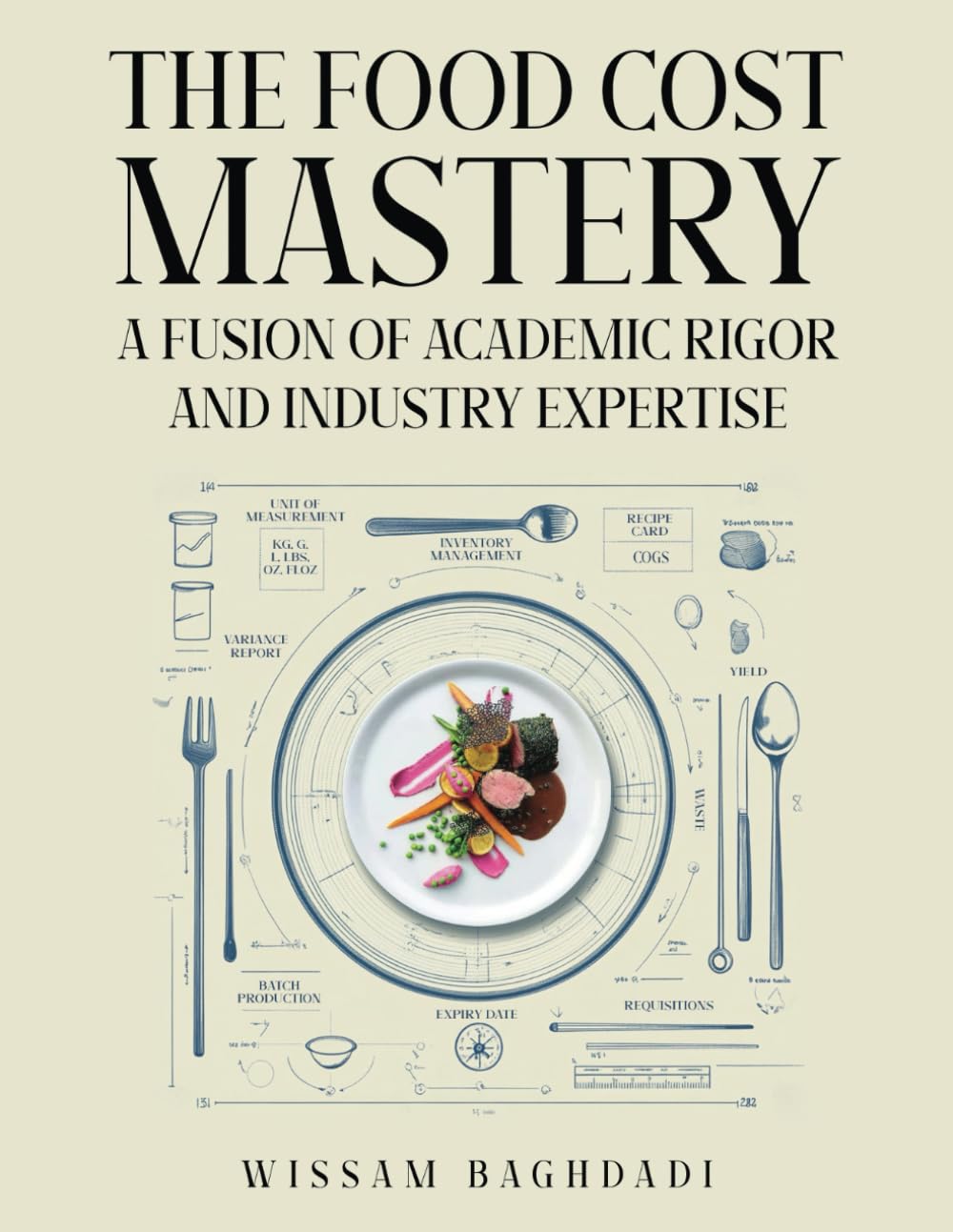
    In the fast-paced world of restaurant operations, the quality of service can make or break a customer’s experience. Investing in staff training and development is essential for improving service quality, reducing waste, and enhancing overall operational efficiency. By fostering a culture of continuous learning, restaurant owners and managers can create an environment where employees are empowered to deliver excellent service while contributing to the restaurant’s profitability. This blog draws on insights from The Food Cost Mastery: Fusion of Academic Rigor and Industry Expertise by Wissam Baghdadi to explore how training and development can be leveraged to improve restaurant operations.

    1. The Importance of Training for Staff Efficiency

    Staff efficiency directly impacts the smooth running of restaurant operations. Baghdadi emphasizes that well-trained employees are more likely to perform tasks with greater speed and accuracy, reducing errors and delays. Training employees on standard operating procedures (SOPs) helps streamline processes, from food preparation to customer service, ensuring that staff knows exactly what is expected of them.

    For instance, training in efficient kitchen practices can minimize food waste, while training in customer service can improve the dining experience, leading to higher customer satisfaction and repeat business. When employees understand their roles clearly and are equipped with the necessary skills, the restaurant’s operations run more smoothly, improving overall efficiency.

    2. Enhancing Service Quality Through Development Programs

    Effective training programs are an investment in the restaurant’s future. Baghdadi’s research highlights that comprehensive training programs not only improve staff performance but also enhance service quality. This includes everything from knowledge of the menu to handling customer complaints. Service excellence is a key differentiator in the competitive restaurant industry, and a well-trained team is vital for ensuring that every guest receives a top-tier experience.

    Training staff to upsell menu items, explain specials, and provide personalized recommendations can boost sales while ensuring a positive customer experience. Additionally, proper training in handling special requests or dietary restrictions ensures that customers feel valued and understood, leading to better service outcomes.

    3. Reducing Waste Through Efficient Practices

    In the restaurant industry, waste is both an environmental and financial burden. Baghdadi underscores the role of training in reducing waste, particularly in food handling, inventory management, and portion control. By educating staff on proper food storage, safe handling practices, and waste reduction strategies, restaurants can cut down on unnecessary losses and minimize food costs.

    For example, training kitchen staff to accurately measure ingredients and avoid over-prepping can significantly reduce food waste. Similarly, educating front-of-house staff on the importance of managing guest expectations and portions can prevent unnecessary waste from being sent back to the kitchen.

    4. Fostering Employee Satisfaction and Retention

    Training and development programs not only improve operational efficiency but also contribute to employee satisfaction. Employees who receive ongoing development opportunities are more likely to feel valued and invested in the restaurant’s success. Baghdadi notes that employee retention is crucial for maintaining consistency in service, and providing training opportunities can foster loyalty among staff.

    Investing in staff development also creates a positive work environment where employees feel supported in their career growth. This reduces turnover, which is often costly and disruptive to restaurant operations. Retaining experienced staff ensures that the restaurant can maintain high standards of service and reduce the need for constant retraining.

    Training and development are essential components of a successful restaurant operation. By investing in staff training, restaurants can improve service quality, reduce waste, and increase operational efficiency. As Baghdadi emphasizes, developing a culture of continuous learning and improvement not only enhances the guest experience but also strengthens the bottom line. A well-trained team is a key asset to any restaurant, driving both profitability and customer satisfaction.

  • Sustainable Practices in Food Cost Management

    Sustainability is an increasingly important aspect of restaurant management, offering both environmental and financial benefits. In The Food Cost Mastery: Fusion of Academic Rigor and Industry Expertise, Wissam Baghdadi outlines sustainable practices that not only reduce environmental impact but also enhance profitability. Here are some effective strategies for creating a green kitchen while saving on costs.

    1. Composting Food Waste

    Composting is a sustainable practice that transforms food waste into nutrient-rich soil. By composting, restaurants reduce the amount of organic waste that ends up in landfills, where it would otherwise emit methane, a potent greenhouse gas.

    • Environmental Impact: Composting reduces landfill waste and lowers carbon emissions, contributing to a healthier planet. It also produces soil that can be used in local gardens, farms, or community projects.
    • Financial Benefit: Composting may reduce waste disposal costs, especially in areas where landfill fees are high. Some composting facilities offer partnerships with local restaurants, which can reduce costs associated with hauling and disposal.

    2. Donating Excess Food

    Instead of discarding unsold food, donating it to local food banks or shelters can have a positive impact on the community. Many organizations accept perishable and non-perishable items, as long as they meet food safety standards.

    • Environmental Impact: Food donation reduces waste and provides meals for those in need, helping alleviate hunger in the community.
    • Financial Benefit: Some regions offer tax incentives for food donations, allowing restaurants to benefit financially from giving back. Donating food also reduces disposal costs and enhances a restaurant’s reputation in the community.

    3. Energy-Efficient Equipment

    Investing in energy-efficient appliances like refrigerators, ovens, and dishwashers can reduce energy consumption, lower utility bills, and extend equipment lifespan. Look for ENERGY STAR-certified equipment, which is designed to operate efficiently without sacrificing performance.

    • Environmental Impact: Energy-efficient appliances reduce electricity and gas usage, lowering the restaurant’s carbon footprint. This contributes to a more sustainable operation overall.
    • Financial Benefit: While energy-efficient equipment may have a higher upfront cost, it often pays for itself through reduced utility bills over time. Lower energy consumption also means less strain on appliances, reducing maintenance and replacement costs.

    4. Reducing Water Waste

    Water is an essential resource in any kitchen, but it’s also one of the most commonly wasted. Baghdadi recommends installing low-flow faucets, optimizing dishwashing practices, and checking for leaks regularly to minimize water waste.

    • Environmental Impact: Conserving water reduces strain on local resources and supports global water conservation efforts.
    • Financial Benefit: Lower water consumption results in reduced utility costs, which can lead to significant savings over time, especially in regions where water usage fees are high.

    5. Sourcing Local and Seasonal Ingredients

    Sourcing local, seasonal ingredients reduces the environmental impact of food transportation and supports local farmers. Local ingredients are typically fresher and align with sustainable, seasonal menus.

    • Environmental Impact: Using local ingredients reduces transportation emissions and supports sustainable farming practices, which are often more eco-friendly.
    • Financial Benefit: Seasonal ingredients are often less expensive due to their abundance and proximity, allowing restaurants to save on food costs while offering fresh, high-quality dishes.

    6. Minimizing Single-Use Plastics

    Baghdadi recommends reducing single-use plastics by switching to biodegradable or reusable alternatives, especially for takeout containers, straws, and cutlery. Many customers appreciate sustainable packaging, which can enhance brand loyalty.

    • Environmental Impact: Reducing plastic waste minimizes pollution and supports a cleaner environment, especially in regions where plastic waste poses significant ecological challenges.
    • Financial Benefit: Although sustainable packaging options may have a slightly higher upfront cost, they align with consumer preferences for eco-friendly brands, which can attract and retain customers.

    Implementing sustainable practices in food cost management is an investment that pays off in both environmental and financial terms. As Baghdadi highlights in The Food Cost Mastery, composting, donating food, using energy-efficient equipment, and sourcing locally are not only beneficial for the planet but also create opportunities for cost savings. By embracing these practices, restaurants can build a greener, more efficient operation that resonates with today’s eco-conscious consumers.

  • Training Your Team for Consistent Food Cost Management

    Effective food cost management requires consistent training and collaboration among restaurant staff. In The Food Cost Mastery: Fusion of Academic Rigor and Industry Expertise, Wissam Baghdadi stresses the importance of continuous training to ensure portion control, proper food handling, and inventory management. With a well-trained team, restaurants can maintain quality, reduce waste, and control food costs.

    Why Staff Training Is Essential for Cost Control

    Without proper training, staff may inadvertently over-portion, waste ingredients, or mishandle inventory, all of which increase food costs. Baghdadi emphasizes that training is the foundation for cost-effective operations and quality control, empowering staff to follow best practices that align with the restaurant’s financial goals.

    Training for Portion Control

    1. Standardize Portion Sizes: Portion control is critical in preventing overuse of ingredients. Train staff to use scales, measuring cups, and portion scoops to ensure consistency across dishes. For example, if a pasta dish is meant to contain 150 grams of noodles, staff should measure this precisely for each order.
    2. Implement Recipe Cards: Recipe cards with exact ingredient measurements guide staff in preparing dishes correctly. Baghdadi recommends that each team member follow these instructions to ensure portions are consistent and costs are kept under control.
    3. Conduct Regular Portion Control Audits: Perform periodic checks to verify that staff are following portion control guidelines. This reinforces training, allows managers to catch deviations early, and reinforces the importance of consistency.

    Food Handling and Waste Reduction

    Proper food handling is essential to preventing spoilage and reducing waste. Baghdadi emphasizes the importance of training staff in best practices for food storage, handling, and FIFO (First In, First Out) rotation.

    1. Teach FIFO Practices: Training staff in FIFO principles ensures that older inventory is used before newer items, reducing the risk of spoilage. Clearly label ingredients with their receipt date to assist staff in managing inventory effectively.
    2. Minimize Waste with Proper Food Prep Techniques: Show staff how to trim, slice, and prepare ingredients efficiently to minimize waste. For example, using vegetable scraps to make stocks or sauces not only reduces waste but also enhances flavor in other dishes.
    3. Encourage Mindfulness about Waste: Educate staff on the financial and environmental impacts of waste. Baghdadi advocates fostering a culture of mindfulness where staff members understand the role they play in cost management and sustainability.

    Inventory Management Training

    1. Daily Inventory Checks: Train staff to perform regular inventory checks, particularly for high-cost items. Daily monitoring allows managers to identify shrinkage or overuse quickly and make adjustments as needed.
    2. Proper Storage Techniques: Baghdadi recommends training staff in proper storage practices, such as maintaining ideal temperatures and using airtight containers, to preserve ingredient freshness and reduce waste.
    3. Inventory Tracking Software: Familiarize staff with any inventory tracking software in use. This helps them understand how to monitor inventory levels and anticipate restocking needs, supporting efficient and cost-effective management.

    Implementing Ongoing Training Programs

    1. Regular Training Sessions: Schedule periodic training sessions to refresh best practices and introduce new techniques. Training shouldn’t be a one-time event; ongoing instruction helps keep skills sharp and ensures that staff stay engaged in cost management efforts.
    2. Use Metrics to Measure Progress: Baghdadi recommends using metrics like food cost percentage and waste reports to track the effectiveness of training programs. These metrics provide tangible insights into how well training is translating into cost savings.
    3. Reward Consistency and Efficiency: Recognize staff members who consistently follow portion control, minimize waste, or contribute to efficient inventory management. Incentives and recognition motivate staff to stay committed to cost management goals.

    Effective food cost management hinges on continuous staff training in portion control, food handling, and inventory management. As Baghdadi emphasizes in The Food Cost Mastery, a well-trained team not only reduces waste but also upholds quality and efficiency. By investing in training, restaurants can empower staff to actively participate in cost control, contributing to both profitability and customer satisfaction.

  • Financial Planning and Budgeting for Restaurant Profitability

    Financial planning and budgeting are fundamental to a restaurant’s success, helping managers control costs, maximize profit margins, and make informed decisions. In The Food Cost Mastery: Fusion of Academic Rigor and Industry Expertise, Wissam Baghdadi provides actionable insights on establishing financial goals, budgeting effectively, and analyzing monthly performance to stay on track. Here’s a step-by-step guide to financial planning and budgeting for restaurant profitability.

    Step 1: Establishing Financial Goals

    Setting clear financial goals helps restaurants stay focused and measure progress. Baghdadi recommends starting with high-level goals like target revenue, profit margins, and cost controls, then breaking them down into achievable objectives.

    1. Define Revenue Goals: Determine monthly, quarterly, and annual revenue targets based on historical data, market trends, and business potential. For example, if a restaurant aims to increase revenue by 15% annually, set a monthly target that aligns with this goal.
    2. Set Profit Margin Targets: Aim for a specific profit margin, such as 5-10%, after accounting for costs like labor, food, and overhead. Profit margin goals help managers make necessary adjustments to control expenses and maximize profit.
    3. Identify Key Performance Indicators (KPIs): Establish KPIs for critical areas like food cost percentage, labor cost percentage, and customer retention rate. Tracking KPIs allows managers to measure success and quickly address areas that aren’t meeting targets.

    Step 2: Creating a Budget

    A well-structured budget aligns spending with revenue goals and ensures that all expenses support profitability. Baghdadi emphasizes that budgeting should include estimates for all significant cost categories, including food, labor, utilities, and marketing.

    1. Allocate for Food Costs: Food costs typically make up around 25-35% of a restaurant’s budget. By calculating costs for each menu item and portion control, managers can control food expenses without sacrificing quality. Monitor prices for key ingredients regularly and adjust menu prices or sourcing strategies as necessary.
    2. Labor Budget: Labor is often the largest expense after food, usually accounting for around 20-30% of total costs. To manage labor efficiently, consider peak and off-peak hours, optimizing schedules to avoid overstaffing or understaffing. Implementing labor management software can help track and control labor costs in real time.
    3. Overhead Costs and Contingency Fund: Include fixed costs such as rent, utilities, and insurance. Baghdadi recommends setting aside a contingency fund (5-10% of the budget) to cover unexpected expenses or emergencies, like equipment repairs.

    Step 3: Monitoring and Analyzing Monthly Performance

    Consistent performance analysis is key to maintaining financial health. Baghdadi suggests reviewing monthly financial statements and comparing actual performance against budgeted figures to identify discrepancies.

    1. Track Revenue and Costs Monthly: Review monthly revenue and expense reports to monitor performance against your budget. This helps in identifying trends, whether positive or negative, and making timely adjustments.
    2. Analyze Cost Variances: Look for variances in food, labor, and other significant costs. For instance, if food costs exceed the budget, it could signal over-portioning, waste, or price changes from suppliers. Identifying the cause allows managers to address the issue immediately.
    3. Adjust as Needed: Financial planning and budgeting are dynamic processes. As Baghdadi advises, use monthly analysis to adjust the budget and refine future projections. For instance, if labor costs consistently run higher than budgeted, consider adjusting staffing levels or cross-training staff to cover multiple roles.

    Effective financial planning and budgeting are essential for restaurant profitability. By setting clear goals, creating a realistic budget, and analyzing monthly performance, managers can make informed decisions that control costs and drive profitability. As Wissam Baghdadi emphasizes in The Food Cost Mastery, maintaining a disciplined approach to financial management helps restaurants achieve sustainable success and remain competitive in a challenging industry.

  • Controlling Labor Costs in the Restaurant Industry: A Manager’s Guide

    Labor is one of the most significant costs in restaurant management, and effective control over these expenses is crucial to maintaining profitability. In The Food Cost Mastery: Fusion of Academic Rigor and Industry Expertise, Wissam Baghdadi provides valuable insights into labor cost management, from utilizing labor management software to strategic scheduling and balancing labor costs with customer service needs. Here’s a guide to optimizing labor in your restaurant.

    The Importance of Labor Cost Management

    Labor cost management is essential to a restaurant’s financial health. Excessive labor expenses can reduce profit margins, while inadequate staffing negatively impacts customer experience. Baghdadi emphasizes finding a balance that maintains service quality without incurring unnecessary costs. Effective labor management strategies allow restaurants to serve customers efficiently while controlling labor costs.

    Leveraging Labor Management Software

    Labor management software provides real-time insights into labor costs, scheduling needs, and employee performance. This technology helps managers optimize staffing by aligning shifts with demand, tracking hours accurately, and preventing costly overtime.

    1. Scheduling Based on Demand Forecasting: Labor management software integrates with POS systems to analyze historical sales data and forecast demand. Baghdadi suggests using these insights to align staffing levels with anticipated customer traffic. For example, more staff can be scheduled during peak hours, while slower times require fewer employees.
    2. Reducing Overtime with Real-Time Tracking: Real-time tracking prevents overtime by alerting managers when an employee’s hours are approaching their limit. This feature allows managers to make adjustments and reassign shifts as needed, keeping labor costs within budget.
    3. Employee Performance Monitoring: Some software solutions track performance metrics, allowing managers to identify areas where staff may need additional training or support. Performance data also helps in rewarding high-performing employees, which can improve productivity and reduce turnover.

    Efficient Scheduling Strategies

    Efficient scheduling is key to balancing labor costs with customer service needs. Baghdadi emphasizes that well-structured schedules ensure that the right number of employees are working at all times, reducing idle time and improving productivity.

    1. Cross-Training Employees: Cross-training allows employees to cover multiple roles, providing flexibility when scheduling and reducing the need for extra staff. For instance, waitstaff trained in barista skills can cover shifts during busy times, which minimizes the need to hire additional employees for specific roles.
    2. Flexible Shift Structures: Implementing split shifts or staggered shifts helps align staffing with actual business needs. During lunch and dinner rushes, more staff can be scheduled, while slow hours may require fewer employees. This scheduling approach ensures efficient labor use throughout the day.
    3. Encouraging Part-Time Options: Offering part-time positions provides flexibility and allows managers to adapt staffing levels as demand fluctuates. Part-time employees also reduce the burden of full-time benefits, which contributes to labor cost savings.

    Balancing Labor Costs with Customer Service

    While reducing labor costs is essential, Baghdadi emphasizes that it shouldn’t come at the expense of customer service. Understaffing can lead to slower service, errors, and customer dissatisfaction, which ultimately impacts revenue. Balancing cost with service needs requires a nuanced approach.

    1. Monitoring Service Quality: Regularly evaluate service quality to ensure that labor cost-cutting measures don’t affect the customer experience. Surveys, reviews, and feedback provide insight into customer satisfaction, enabling managers to make adjustments if necessary.
    2. Allocating Staff to High-Impact Areas: Prioritize staffing in areas with the greatest impact on customer experience, such as front-of-house and kitchen prep. Focusing on these areas helps ensure that customers receive timely and high-quality service, even during busy periods.
    3. Rewarding Productivity: Incentives for productivity and performance encourage employees to work efficiently and stay engaged. Recognition programs, performance bonuses, or employee-of-the-month programs can boost morale, leading to a more productive workforce and a positive impact on service quality.

    Controlling labor costs is a critical aspect of managing a successful restaurant, and with the right tools and strategies, it’s possible to strike a balance between financial efficiency and excellent service. In The Food Cost Mastery, Baghdadi’s insights into labor management offer practical approaches to optimizing schedules, leveraging technology, and creating a motivated workforce. By prioritizing efficiency and service quality, restaurant managers can maintain control over labor expenses without sacrificing the customer experience, creating a sustainable model for long-term success.

  • Understanding Yield Management and Reducing Ingredient Waste in the Kitchen

    Yield management is an essential concept for reducing waste and controlling food costs in any kitchen, and it’s one of the principles Wissam Baghdadi explores in The Food Cost Mastery: Fusion of Academic Rigor and Industry Expertise. In the restaurant industry, maximizing the yield of every ingredient is crucial to improving profitability while supporting sustainability goals. Here’s a closer look at yield management and some practical ways to apply it to reduce waste.

    What Is Yield Management in a Kitchen Context?

    Yield management in the kitchen involves making the most out of every ingredient, ensuring that nothing goes to waste. This approach considers each ingredient’s potential uses and reuses to stretch its value and reduce waste. From vegetable scraps to meat bones, yield management encourages creative repurposing to achieve a sustainable and cost-effective kitchen operation.

    The Financial and Environmental Benefits of Yield Management

    Baghdadi emphasizes that yield management is both a financial and environmental necessity. On the financial side, it reduces food costs by maximizing the use of ingredients, leading to a better profit margin. Environmentally, it minimizes waste, which reduces landfill contributions and the environmental footprint associated with restaurant waste.

    Examples of Yield Management in Practice

    1. Repurposing Vegetable Scraps for Stock: One of the simplest applications of yield management is using vegetable trimmings and peels to make stock. Instead of discarding carrot tops, onion skins, and celery ends, these remnants can be simmered to create a flavorful base for soups, sauces, or risottos. This approach not only reduces waste but also saves on the cost of buying pre-made stocks.
      • Financial Impact: By making stock in-house, restaurants avoid the expense of purchasing pre-made stocks or broths, which contributes to a lower food cost percentage.
      • Environmental Impact: Using vegetable scraps minimizes waste and promotes sustainable kitchen practices. It also reduces packaging waste, as there’s no need to buy stocks in plastic or boxed containers.
    2. Using Bones for Broths and Sauces: For restaurants that serve meat, bones can be valuable ingredients when repurposed correctly. Beef, chicken, and pork bones can be roasted and then simmered for hours to create rich broths or jus. This practice aligns with Baghdadi’s yield management principles, maximizing the utility of each ingredient purchased.
      • Financial Impact: By making broth from bones, restaurants can create a high-value product from what might otherwise be discarded. Homemade broths are also a differentiator, enhancing dish quality and customer satisfaction.
      • Environmental Impact: Repurposing bones reduces the amount of organic waste sent to landfills. Additionally, these broths are more sustainable as they minimize reliance on commercially packaged broths.
    3. Bread to Breadcrumbs: Leftover bread can be dried and turned into breadcrumbs or croutons, reducing waste and creating ingredients for other dishes like salads or breaded entrées. This practice is especially valuable in restaurants that bake their own bread or source artisan loaves.
      • Financial Impact: Instead of buying pre-made breadcrumbs, the restaurant can create its own from surplus bread, cutting costs and reducing the need to discard unsold bread.
      • Environmental Impact: Repurposing bread helps reduce food waste and is a sustainable way to use leftovers.

    Yield management is a powerful practice for any kitchen aiming to maximize efficiency, reduce waste, and control costs. By using creative methods to repurpose scraps and leftovers, restaurants can achieve sustainable kitchen operations that align with both financial and environmental goals. As Baghdadi emphasizes in The Food Cost Mastery, implementing yield management practices isn’t just about cutting costs—it’s about creating a kitchen that values each ingredient, minimizes waste, and supports a more sustainable industry.

  • Forecasting and Demand Planning in Restaurants: The Key to Optimizing Operations

    Forecasting and demand planning are essential for restaurant managers seeking to balance supply with demand, optimize staffing, and control inventory costs. In The Food Cost Mastery: Fusion of Academic Rigor and Industry Expertise, Wissam Baghdadi outlines practical strategies for leveraging historical data and sales patterns to predict demand accurately. Here’s how restaurants can implement effective forecasting and demand planning to enhance operational efficiency and reduce costs.

    The Importance of Forecasting in Restaurant Management

    Forecasting allows restaurant managers to anticipate customer demand based on historical sales data, seasonal trends, and local events. Baghdadi emphasizes that demand forecasting is key to avoiding both over-preparation, which leads to food waste, and under-preparation, which results in missed sales opportunities. When accurately implemented, forecasting helps restaurants optimize operations, maintain high customer satisfaction, and protect profit margins.

    Using Historical Data to Forecast Demand

    Historical sales data provides a foundation for predicting future demand. By analyzing past performance, restaurants can identify trends in customer behavior, such as peak days, times, and menu item popularity.

    1. Identifying Patterns: Reviewing sales data over weeks, months, or even years can reveal patterns in customer demand. For example, some restaurants may see higher demand for specific items on weekends or certain times of day. Baghdadi suggests using these insights to prepare inventory and staffing levels accordingly, ensuring resources align with demand.
    2. Accounting for Seasonal Trends: Many restaurants experience seasonal shifts in demand, especially those offering seasonal dishes or located in tourist areas. By incorporating data from previous years, managers can better anticipate busy periods, allowing them to stock up on popular ingredients and schedule additional staff.
    3. Incorporating Local Events: Events such as festivals, holidays, and sporting events often impact customer traffic. Monitoring the local event calendar and adjusting for expected demand spikes enables restaurants to meet customer needs while avoiding under-preparation.

    Inventory and Staffing Adjustments Based on Forecasting

    1. Inventory Management: Accurate demand forecasts allow managers to adjust order quantities, minimizing waste from spoilage. Baghdadi advocates setting “par levels,” or minimum stock requirements, based on projected demand, ensuring that inventory is neither excessive nor insufficient. For instance, during slow periods, managers can reduce stock levels to save on holding costs, while peak periods might require additional inventory to meet increased demand.
    2. Optimizing Labor Costs: Labor is one of the highest costs in a restaurant, and demand forecasting helps optimize staffing schedules. By analyzing historical data, managers can anticipate peak hours and schedule accordingly, ensuring sufficient staff coverage without overstaffing during slower times. This approach not only reduces labor costs but also enhances service quality, as customers are served efficiently even during busy periods.
    3. Reducing Waste and Maximizing Freshness: Baghdadi emphasizes that forecasting helps restaurants maintain ingredient freshness by aligning purchases with anticipated sales. This reduces waste, as perishable ingredients are ordered based on need rather than guesswork, ensuring they are used before spoilage.

    Implementing Forecasting in Restaurant Management

    1. Set a Baseline with Historical Data: Start by analyzing sales patterns from previous years to establish a baseline. Baghdadi recommends looking at multiple data points, including daily and weekly sales, popular menu items, and any observed seasonal patterns.
    2. Adjust for External Factors: Incorporate upcoming events, weather forecasts, and market trends to refine demand predictions. This allows for flexibility, enabling restaurants to adapt their operations to changing circumstances.
    3. Use Real-Time Adjustments: Demand forecasting is an ongoing process. Review demand forecasts regularly and adjust based on actual sales, enabling real-time tweaks that help maintain accuracy.

    Effective forecasting and demand planning, as outlined in The Food Cost Mastery, are essential for any restaurant aiming to optimize operations. By leveraging historical data, monitoring demand patterns, and implementing smart adjustments in inventory and staffing, restaurants can reduce costs, improve customer satisfaction, and increase profitability. Baghdadi’s approach empowers restaurant managers to take a proactive stance, preparing their business for both predictable and unexpected changes in customer demand.

  • Harnessing Technology and Automation in Restaurant Management

    In The Food Cost Mastery: Fusion of Academic Rigor and Industry Expertise, Wissam Baghdadi discusses how technology is reshaping the restaurant industry, streamlining operations, and enhancing cost-efficiency. From Restaurant Operating Systems (ROS) to Artificial Intelligence (AI), today’s tech-driven tools enable restaurant managers to run smarter, more efficient operations by reducing errors, optimizing workflows, and making data-informed decisions.

    The Rise of Restaurant Operating Systems (ROS)

    Restaurant Operating Systems have become a backbone for modern restaurant management, integrating multiple aspects of operation into a single platform. With ROS, managers can track inventory, monitor sales, manage staffing schedules, and analyze customer data all from one dashboard, which simplifies decision-making and reduces time spent on manual tasks.

    1. Inventory and Waste Management: ROS platforms streamline inventory tracking by providing real-time updates on stock levels, alerting staff to reorder items before they run out. Baghdadi highlights how ROS helps prevent over-ordering and waste by showing when stock levels are about to reach their limit and ensuring that older items are used first. This helps reduce food costs and supports sustainability goals by minimizing waste.
    2. Order Accuracy and Speed: By automating the ordering process, ROS minimizes errors and speeds up service. Orders sent directly from the POS to the kitchen reduce miscommunication and ensure that kitchen staff has the correct order details instantly. This automation is particularly beneficial during peak hours when manual order handling can lead to mistakes and slower service.
    3. Scheduling and Labor Management: ROS also allows managers to track labor costs and optimize staffing schedules based on projected sales volumes. By analyzing peak times and slow hours, restaurants can better allocate staff resources, reducing labor costs without sacrificing customer service.

    Advantages of Technology and Automation in Restaurants

    1. Enhanced Efficiency and Reduced Costs: By automating routine tasks like order processing, inventory updates, and scheduling, restaurants can operate more efficiently. ROS and AI help reduce labor costs and minimize human errors that can result in waste or customer dissatisfaction.
    2. Improved Customer Experience: Faster service, accurate orders, and personalized recommendations all contribute to a better customer experience. Baghdadi notes that when restaurants use technology to streamline service and meet customer needs more accurately, it strengthens customer loyalty and encourages repeat visits.
    3. Data-Driven Decision-Making: ROS and AI provide valuable insights into sales trends, customer preferences, and operational bottlenecks. With access to these data points, managers can make informed decisions that enhance profitability and operational efficiency.

    Implementing Technology Thoughtfully

    While technology offers numerous advantages, Baghdadi emphasizes the importance of implementing systems that suit the restaurant’s specific needs. Not all restaurants require complex AI solutions; smaller establishments might benefit from simpler tools like a well-integrated POS and inventory management system. The key is to adopt technology that aligns with the business’s operational goals and enhances rather than complicates workflows.

    Incorporating ROS and AI into restaurant operations offers substantial benefits, from cost control and workflow optimization to enhanced customer satisfaction. As Baghdadi explains in The Food Cost Mastery, technology enables restaurants to be proactive and data-driven, which is essential in today’s competitive landscape. By embracing technology and automation, restaurants can streamline operations, reduce errors, and create a dynamic dining experience that keeps customers coming back.

  • Demand-Based Pricing: Adapting Restaurant Prices to Market Trends

    Demand-based pricing, as outlined in The Food Cost Mastery by Wissam Baghdadi, is an adaptive strategy that allows restaurants to set prices based on consumer demand, market conditions, and seasonal trends. By aligning pricing with market fluctuations and consumer behavior, restaurants can optimize profitability without alienating their customer base. Here’s how restaurants can implement demand-based pricing to respond flexibly to changes in the market.

    What Is Demand-Based Pricing?

    Demand-based pricing, also known as dynamic pricing, involves adjusting menu prices based on demand and market conditions rather than solely on ingredient costs. This flexible approach allows restaurants to raise prices during peak demand periods, while offering discounts or promotions during slower times to attract more customers. In Baghdadi’s view, demand-based pricing is an invaluable tool for maximizing revenue while adapting to shifting consumer preferences.

    How Demand-Based Pricing Works in Practice

    1. Seasonal Adjustments: Many ingredients, especially fresh produce, experience price shifts throughout the year. During peak seasons for specific items (like strawberries in summer), prices can be set higher. Conversely, when an item is less popular or more abundant, prices can be reduced to appeal to budget-conscious customers.
    2. Time-Based Pricing: Another common application is adjusting prices based on time of day or day of the week. For example, many restaurants implement “happy hour” pricing during slower weekday afternoons to drive traffic. Conversely, prices may be slightly higher on weekends or during dinner hours when demand typically peaks.
    3. Market-Driven Specials and Promotions: By introducing time-limited specials based on seasonal ingredients or trending flavors, restaurants can take advantage of current demand and market trends. This approach enables restaurants to keep the menu fresh and aligned with what customers want, while adjusting pricing to reflect the uniqueness of the items offered.

    Implementing Demand-Based Pricing in Restaurants

    1. Analyze Sales Data and Trends: To effectively implement demand-based pricing, Baghdadi suggests analyzing historical sales data, peak times, and customer preferences. Understanding which dishes are popular at different times enables managers to adjust pricing for items that perform best during high-traffic periods, boosting revenue.
    2. Use Tiered Pricing for Peak and Off-Peak Times: For instance, a popular brunch item might be priced slightly higher on weekends due to increased demand, while weekday pricing remains lower to attract customers. This approach maximizes profits without compromising the customer experience, as guests typically expect higher prices during peak times.
    3. Adapt Pricing to Seasonal Ingredients and Menu Rotation: Baghdadi recommends rotating menu items based on ingredient seasonality, which can influence both pricing and cost control. Seasonal pricing encourages customers to order these items at a premium while they are in season, allowing the restaurant to take advantage of freshness and scarcity.

    Benefits of Demand-Based Pricing

    1. Revenue Optimization: Demand-based pricing enables restaurants to maximize revenue during peak times, offsetting lower sales during slower periods. By raising prices on high-demand days and offering incentives during off-peak times, restaurants can achieve a better balance in revenue.
    2. Enhanced Customer Satisfaction: Demand-based pricing can appeal to a wide range of customers. Budget-conscious diners may be attracted by discounts during low-demand times, while others may value the exclusivity of a premium-priced item during peak hours.
    3. Better Control of Food Costs and Waste: Adjusting pricing based on ingredient availability allows restaurants to align with market conditions. By pricing items based on ingredient scarcity or abundance, restaurants can manage food costs effectively, minimizing waste and improving sustainability.

    Potential Challenges and Solutions

    1. Customer Perception: Frequent price changes may confuse or frustrate some customers. To address this, Baghdadi suggests clear communication about the value and exclusivity of premium-priced items. For example, a menu could include seasonal specials with limited availability, emphasizing that these unique dishes reflect current market conditions.
    2. Monitoring and Adjustment: Demand-based pricing requires regular monitoring and adjustments, which can be labor-intensive. However, using data analytics and restaurant operating systems (ROS) can simplify tracking customer demand and market trends, making it easier to adjust pricing in real-time.

    Demand-based pricing, as outlined by Wissam Baghdadi in The Food Cost Mastery, is an adaptable strategy that empowers restaurants to respond to market changes and optimize revenue. By adjusting prices based on consumer demand, seasonal changes, and market trends, restaurants can enhance profitability while delivering value to customers. Implementing demand-based pricing thoughtfully allows restaurants to remain competitive and responsive, maximizing revenue without sacrificing customer loyalty.

  • Supplier Negotiations and Inventory Management: How to Cut Costs Without Sacrificing Quality

    In The Food Cost Mastery: Fusion of Academic Rigor and Industry Expertise, Wissam Baghdadi emphasizes the crucial role of effective supplier negotiations and inventory management in maximizing cost efficiency. For restaurant managers, finding the balance between cutting costs and maintaining quality is key to success. Here are some of Baghdadi’s strategies for negotiating favorable terms with suppliers and implementing inventory management techniques to streamline operations.

    Building Strong Supplier Relationships

    One of the most important steps in securing favorable supplier terms is to develop solid relationships. Treating suppliers as valued partners rather than mere vendors fosters trust, making suppliers more likely to offer discounts, extend credit, or prioritize orders during peak times.

    1. Communicate Consistently: Maintaining open lines of communication helps build mutual respect and understanding. Regular updates on expected order sizes, menu changes, or seasonal demands allow suppliers to prepare in advance, making them more likely to accommodate your needs with favorable terms.
    2. Leverage Long-Term Commitments: Committing to long-term partnerships with suppliers can often secure better pricing. Suppliers value consistency and may reward regular customers with volume discounts or priority service.
    3. Compare and Negotiate: Baghdadi suggests always comparing supplier prices and terms, even if you’re happy with a current supplier. The knowledge of other options strengthens your bargaining position, and suppliers may match or improve their offers to retain your business.

    Negotiation Techniques for Better Terms

    1. Discuss Bulk Discounts and Delivery Terms: Suppliers often offer discounts on bulk purchases. Identify high-turnover items that can be purchased in larger quantities without risk of spoilage. Additionally, discuss delivery schedules that align with your inventory needs to minimize holding costs and reduce spoilage.
    2. Consider Payment Terms and Credit Options: Extended payment terms can ease cash flow, particularly useful during off-peak seasons. Baghdadi recommends discussing credit options or net-30 payment terms that allow for flexibility without immediate payment requirements, which can improve financial management.
    3. Request Quality Guarantees: Securing quality guarantees or return policies ensures that you only pay for items that meet your standards. Having these terms in place protects against losses due to substandard deliveries, which can also impact customer satisfaction.

    Implementing Effective Inventory Management Systems

    1. Use an Inventory Tracking System: Advanced inventory management systems (IMS) are invaluable for tracking stock levels in real time, forecasting demand, and monitoring usage patterns. Baghdadi emphasizes the benefits of using technology to track inventory across multiple categories, which streamlines ordering and ensures that each item is accounted for.
    2. Monitor Inventory Turnover: High turnover rates indicate efficient use of inventory, while low turnover may signal over-purchasing or slow-moving items. Regularly monitoring turnover helps in adjusting order sizes, reducing waste, and ensuring that only necessary items are stocked.
    3. Set Par Levels and Safety Stock: Establishing par levels, the minimum stock needed for each ingredient, helps prevent shortages and over-purchasing. Baghdadi recommends adjusting par levels based on historical data and upcoming demand forecasts, ensuring that you are prepared for both routine service and peak periods.

    Balancing Cost and Quality

    1. Prioritize High-Quality Ingredients for Key Dishes: Baghdadi advises focusing on securing the best ingredients for signature dishes that define your restaurant’s reputation. For these items, prioritize quality over cost while negotiating discounts or favorable terms for other ingredients where substitutions won’t affect quality.
    2. Regularly Audit Supplier Quality: Periodic checks ensure that suppliers maintain quality standards. By keeping suppliers accountable, you reduce the risk of substandard ingredients affecting menu consistency, customer satisfaction, and profitability.
    3. Repurpose Slow-Moving Items: Inventory management isn’t just about ordering—it’s about using ingredients effectively. Baghdadi suggests creating new dishes or specials using surplus items to avoid waste and maximize ingredient value. This practice also keeps the menu dynamic, offering regular customers something new.

    Benefits of Integrating Supplier and Inventory Strategies

    By combining strong supplier negotiation tactics with effective inventory management, restaurants can significantly reduce costs without compromising on quality. These practices ensure that managers can control food costs, make informed purchasing decisions, and improve operational efficiency.

    In a competitive industry, maintaining cost efficiency while upholding quality is paramount. Baghdadi’s insights in The Food Cost Mastery demonstrate that successful supplier negotiations and inventory management strategies don’t just reduce costs—they support consistency, build strong supplier relationships, and ultimately contribute to a restaurant’s profitability. With the right approach, managers can enhance both quality and cost control, creating a sustainable and successful business.