Category: Uncategorized

  • Menu Psychology: Strategic Placement of Items to Maximize Profits

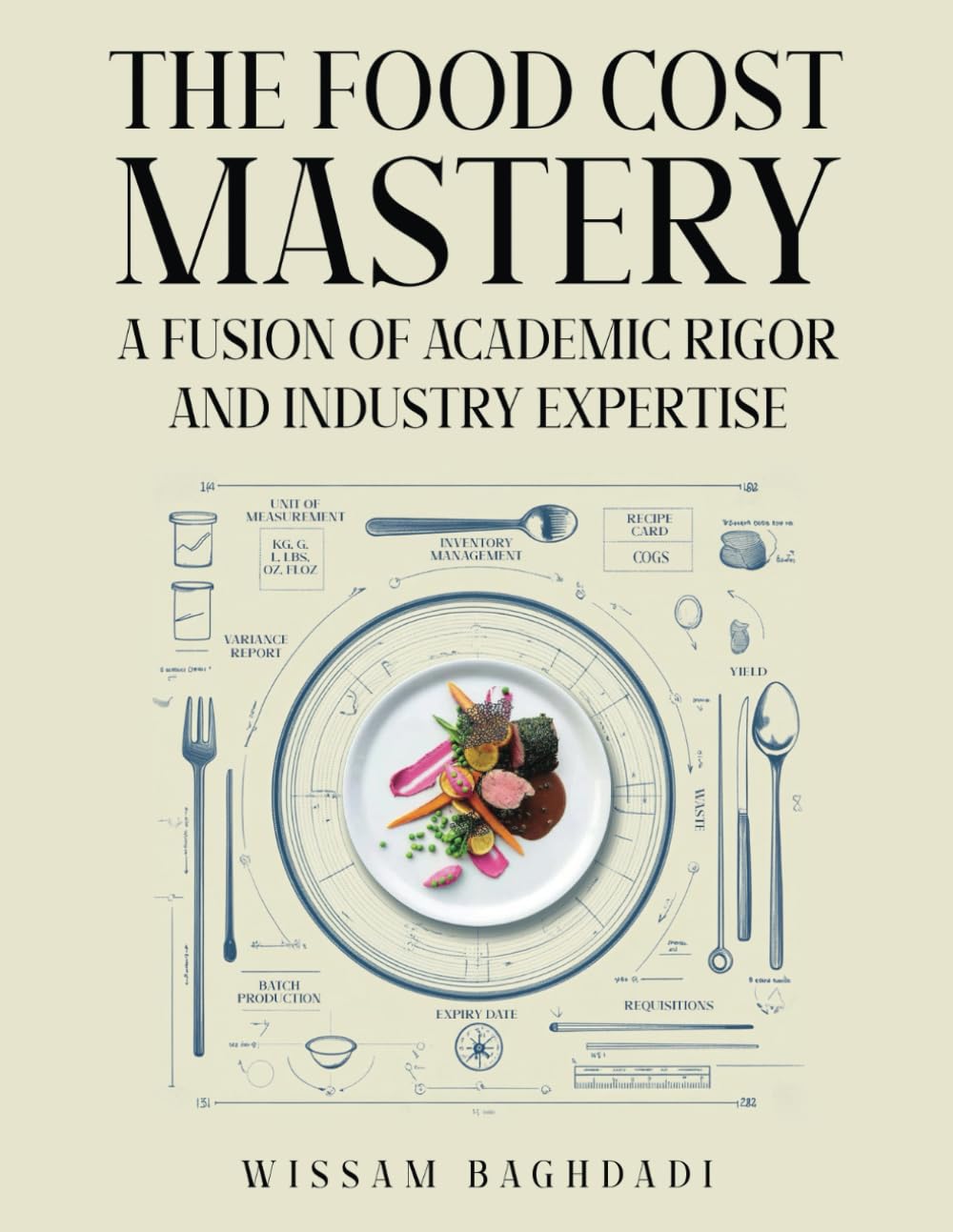
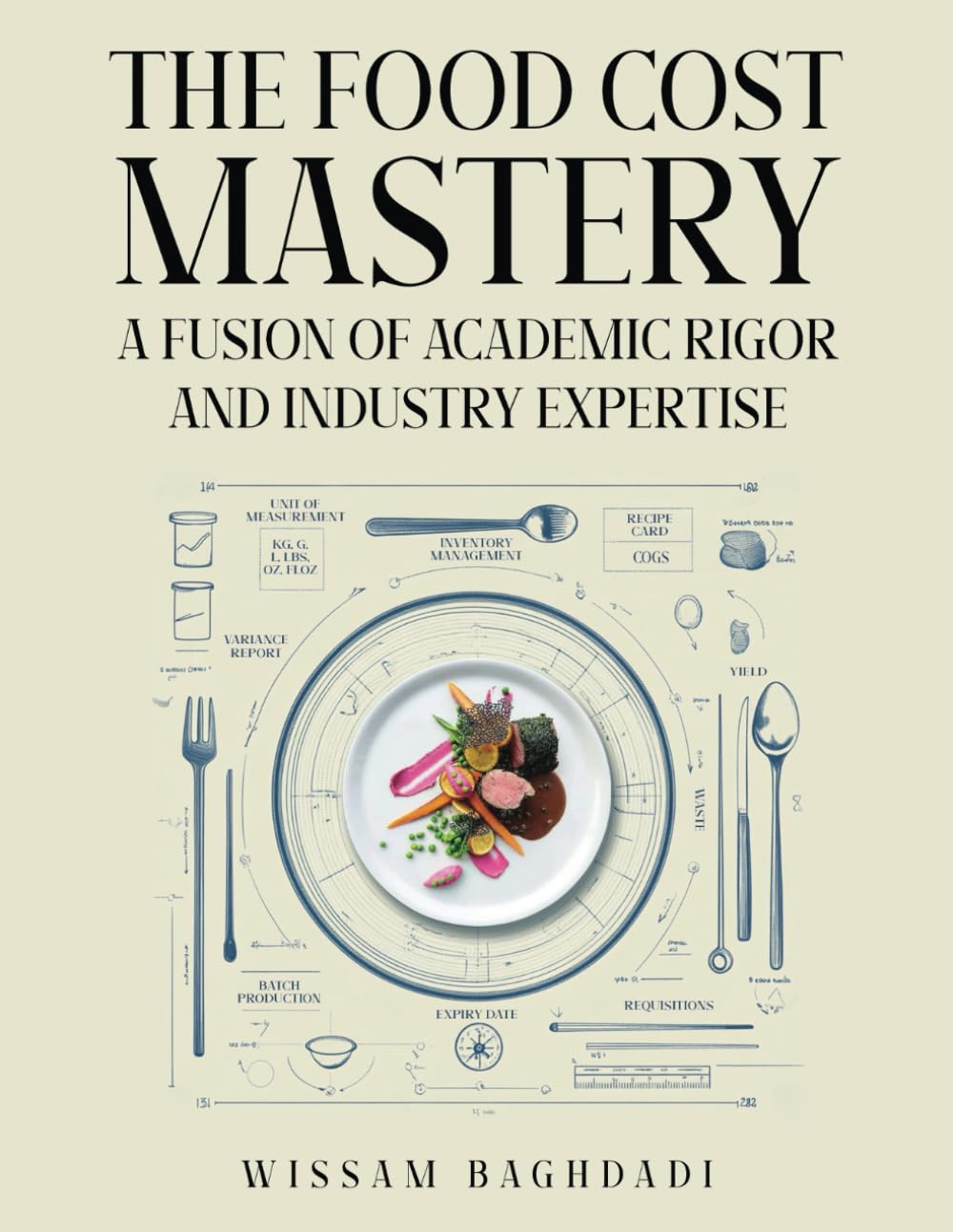
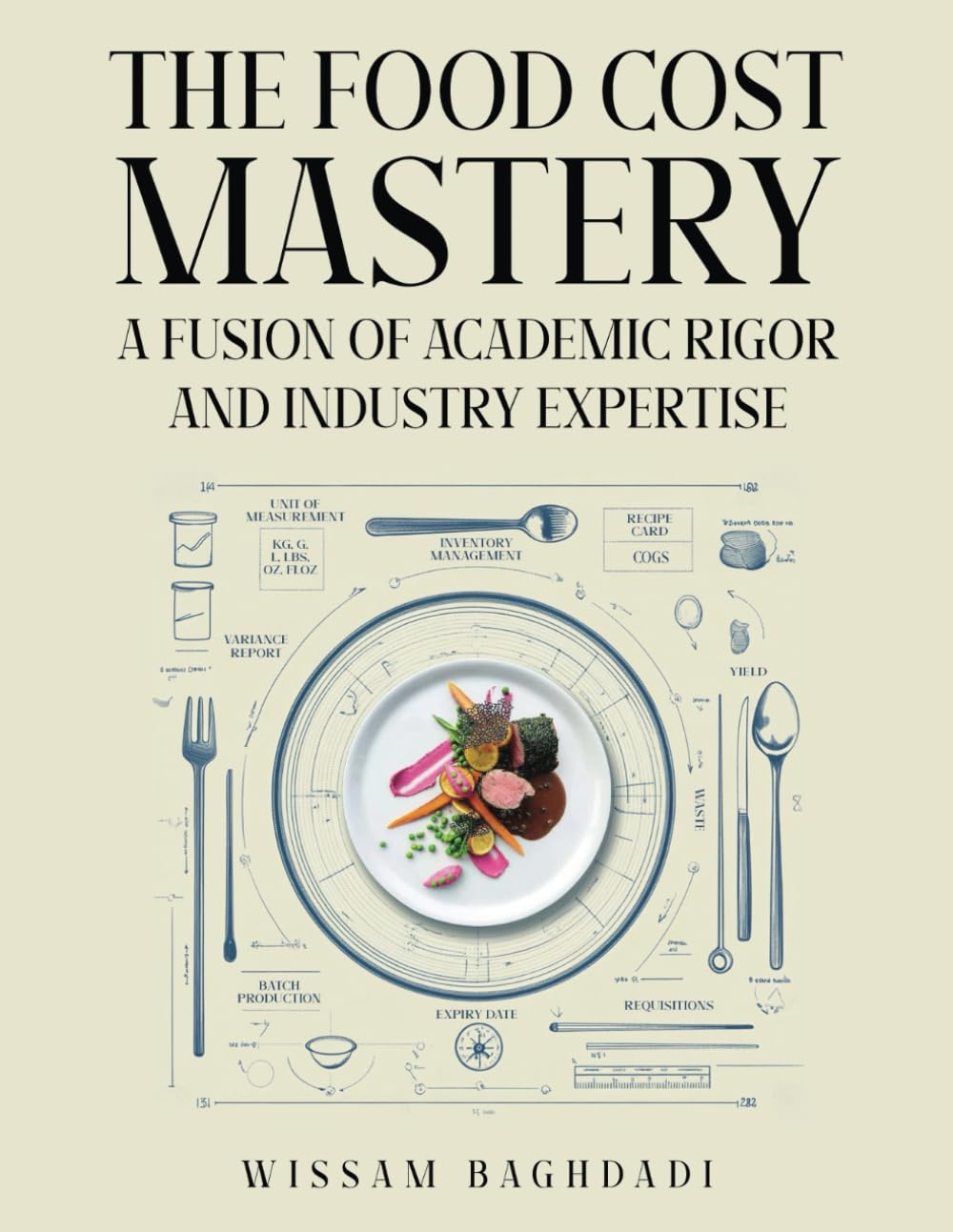
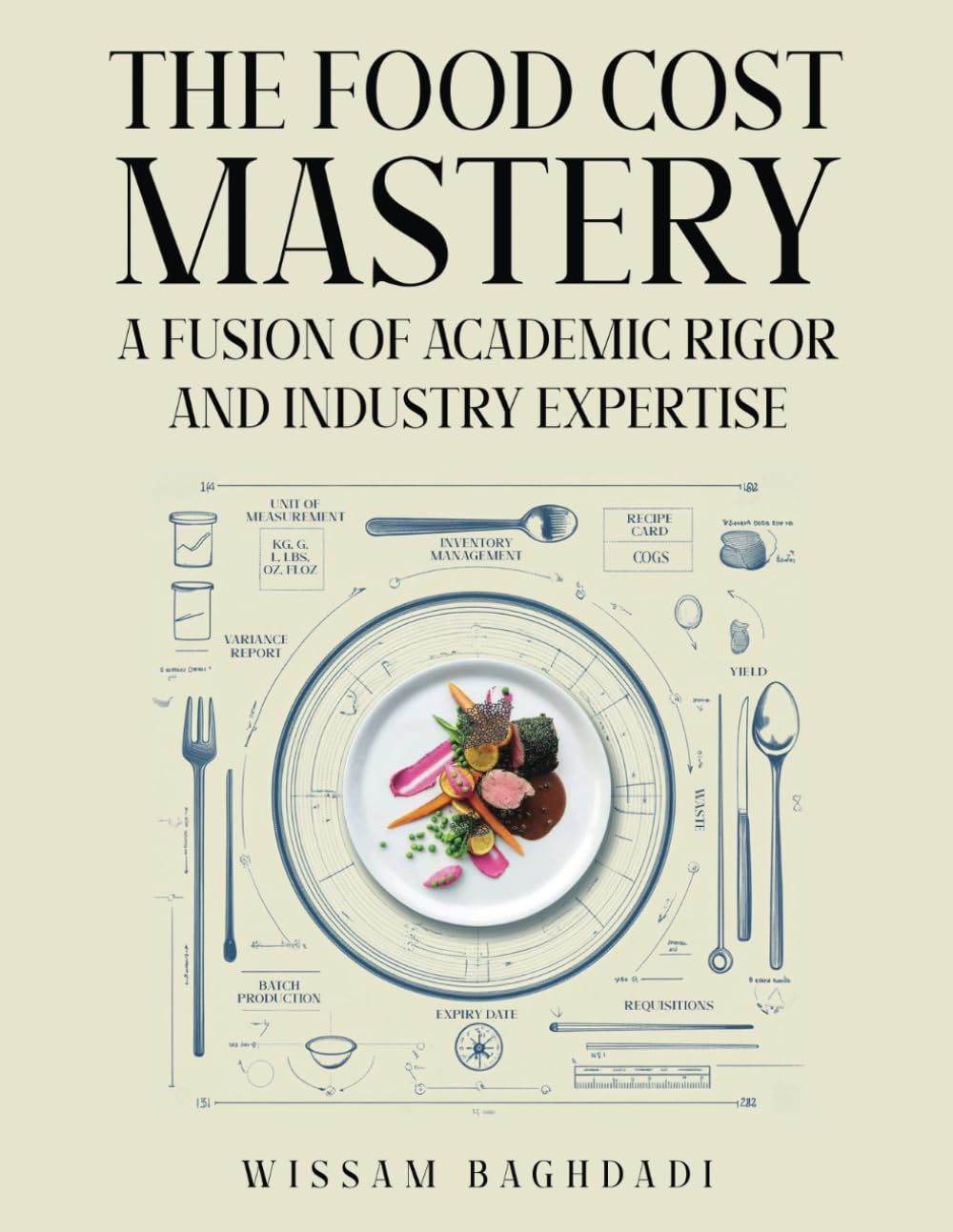
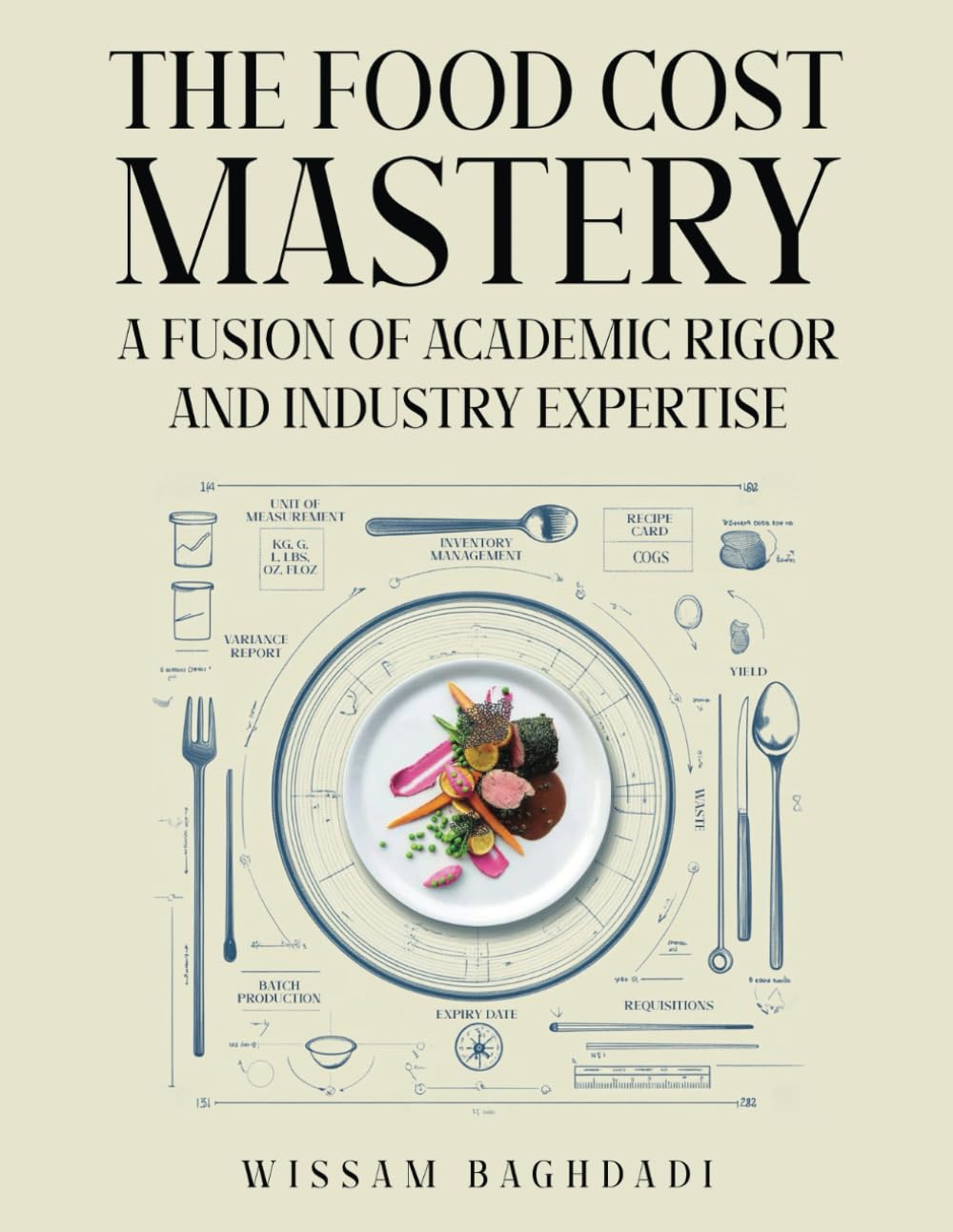
    Did you know the layout and design of a menu can significantly influence customer choices and, by extension, your restaurant’s profitability? In The Food Cost Mastery: Fusion of Academic Rigor and Industry Expertise, Wissam Baghdadi reveals how menu psychology can be a powerful tool for increasing sales of high-margin items. By understanding customer behavior and strategically designing menus, restaurateurs can subtly guide diners toward more profitable choices.

    The Science Behind Menu Psychology

    Menu psychology leverages principles like eye-tracking patterns, anchoring, and descriptive labeling to influence decision-making. These subtle techniques help restaurants highlight profitable dishes without making customers feel pressured.

    1. Eye-Tracking Patterns
    Research shows that customers tend to scan menus in specific patterns, often starting at the top right corner. This “golden triangle” is prime real estate for high-margin items. Baghdadi recommends placing “Stars” in these positions to maximize visibility and sales.

    2. Anchoring
    Anchoring is the practice of using high-priced items to set a reference point for customers. For example, featuring a luxurious entrée at the top of a section makes other dishes appear more affordable, encouraging diners to choose mid-range options that are often more profitable.

    3. Descriptive Labels
    Words matter. Adding descriptive labels such as “succulent,” “handcrafted,” or “locally sourced” can increase the perceived value of a dish. Baghdadi highlights how these labels create an emotional connection, making diners more likely to choose and justify higher-priced items.

    Design Elements That Drive Profits

    1. Highlighting Key Dishes
    Use bold fonts, boxes, or icons to draw attention to high-margin items. For example, a chef’s recommendation symbol can signal quality and encourage sales.

    2. Strategic Pricing
    Avoid using currency symbols, which can subconsciously remind customers of spending. Instead, list prices without symbols or in smaller fonts to minimize focus on cost.

    3. Manageable Menu Length
    A concise menu prevents decision fatigue, making it easier for customers to choose high-margin items. Baghdadi suggests focusing on a curated selection of profitable dishes rather than overwhelming diners with too many options.

    Encouraging Customer Choice

    1. Offer Bundles and Add-Ons
    Combo deals or optional add-ons (like extra toppings or sides) can increase the average check size. Baghdadi emphasizes that these additions should complement the base dish without overshadowing its profitability.

    2. Use Visuals Sparingly
    While pictures can be engaging, overusing them can cheapen the look of a menu. Reserve images for a few signature dishes to enhance their appeal.

    3. Leverage Customer Psychology
    Diners are more likely to choose items described as exclusive or limited-time offers. These labels create urgency and can boost sales of dishes you want to highlight.

    Refining the Menu Over Time

    Baghdadi advises restaurateurs to regularly analyze sales data and customer behavior to identify trends. High-performing items can be given more prominence, while underperformers may need redesigning or removal.

    A well-designed menu is more than a list of dishes—it’s a silent salesperson. By applying the principles of menu psychology outlined in The Food Cost Mastery, restaurateurs can strategically influence customer choices to maximize profits while maintaining a satisfying dining experience. Small changes in layout, design, and wording can have a big impact on your bottom line, turning your menu into one of your most effective business tools.
  • Improving Operational Efficiency Through Smart Kitchen Layout Design

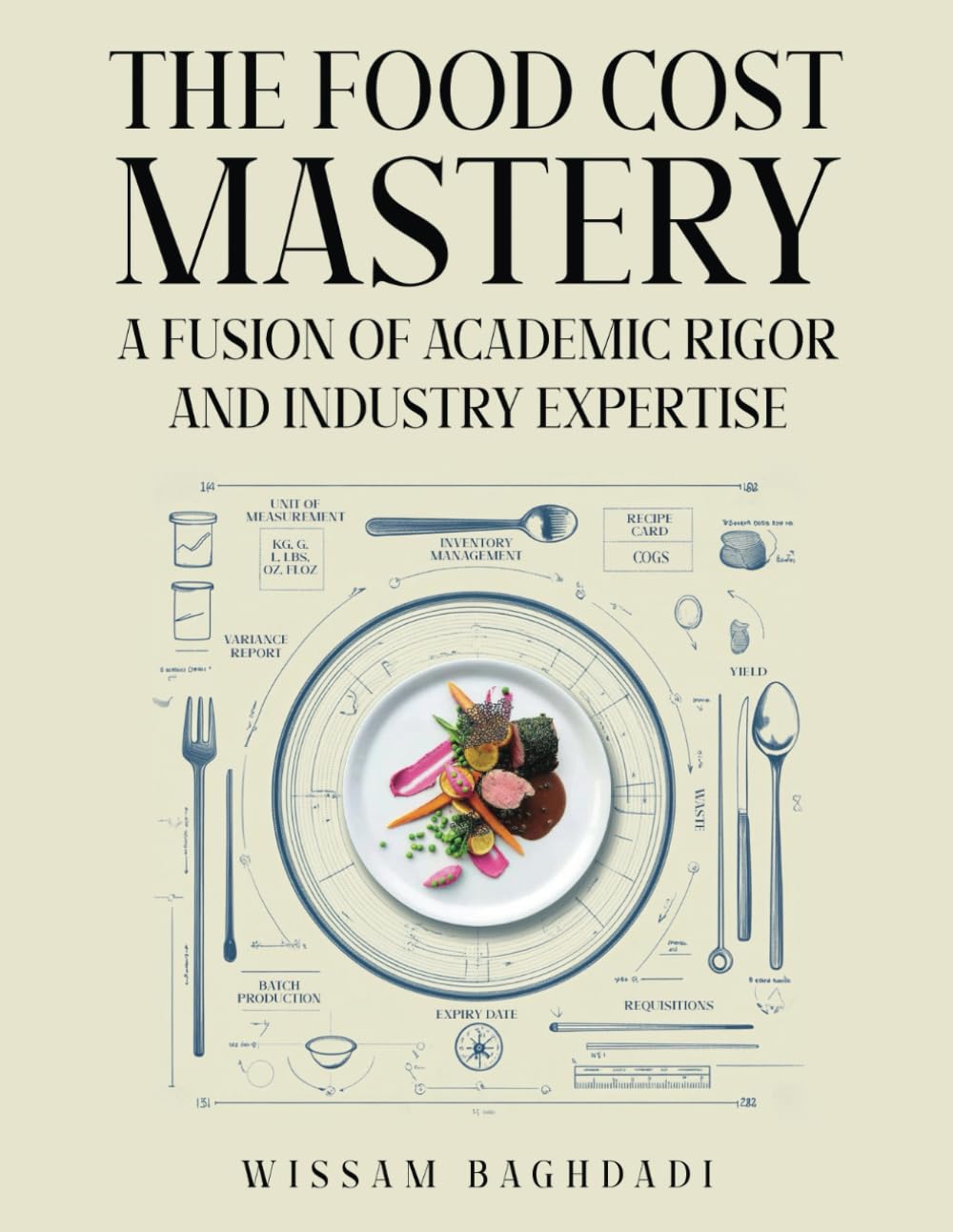
    In the fast-paced world of the restaurant industry, operational efficiency is key to providing high-quality service, reducing costs, and maintaining a smooth workflow. As outlined in The Food Cost Mastery: Fusion of Academic Rigor and Industry Expertise by Wissam Baghdadi, one of the most effective ways to enhance kitchen productivity and reduce waste is through a well-planned kitchen layout and equipment placement. A thoughtfully designed kitchen can optimize staff performance, reduce food waste, and improve service speed, which ultimately boosts your bottom line.

    1. Minimizing Steps for Efficiency

    The kitchen is the heart of a restaurant, and its layout should reflect the need for speed and precision. Baghdadi emphasizes that an efficient kitchen minimizes unnecessary movements by ensuring that all cooking stations are logically arranged. This reduces the time staff spends walking between stations, looking for equipment, or retrieving ingredients.

    Practical Solutions:

    • Workstation Zones: Organize the kitchen into specific zones (prep, cooking, plating, etc.), with each station placed close to the necessary tools and ingredients. For example, a grill station should be near the pantry for quick access to meats and sauces, while the prep station should be centrally located for easy access to both the cooking area and storage.
    • Clear Pathways: Design pathways that allow staff to move freely without bumping into each other. Creating one-way traffic flow helps prevent congestion, reducing delays and increasing overall efficiency.

    2. Reducing Food Waste Through Strategic Storage

    Efficient food storage is critical in reducing waste and improving inventory turnover. Baghdadi highlights that proper storage in close proximity to the prep and cooking areas helps staff quickly access the ingredients they need without wasting time or resources.

    Practical Solutions:

    • Proximity to Cooking Stations: Store dry ingredients, vegetables, and proteins in easy-to-reach locations near their corresponding cooking stations. This reduces the time staff spends searching for items, which in turn helps them avoid over-preparing ingredients.
    • Cold Storage Optimization: Place refrigerators and freezers strategically so that perishable items are close to prep areas but not in the way of other kitchen operations. A clear system for labeling and rotating stock ensures nothing goes to waste.

    3. Optimizing Equipment Placement for Speed

    The placement of kitchen equipment plays a crucial role in reducing the time it takes to prepare food and serve customers. Baghdadi stresses that the right tools should be positioned where they are most often used, minimizing the need for staff to move around unnecessarily.

    Practical Solutions:

    • Hot and Cold Zones: Hot equipment, such as ovens, stoves, and grills, should be placed close to the areas where food is cooked and plated. Similarly, cold storage areas (e.g., refrigerators and freezers) should be near the prep areas for easy access to fresh ingredients.
    • Essential Tools at Reach: Frequently used tools like knives, cutting boards, and mixing bowls should be within arm’s reach at each workstation. This reduces downtime spent hunting for tools and keeps the workflow seamless.

    4. Energy Efficiency and Cost Reduction

    A smart kitchen layout not only boosts staff productivity but also reduces energy consumption. As highlighted in The Food Cost Mastery, a well-designed kitchen minimizes energy wastage, such as unnecessary heat from cooking appliances or excessive cooling from refrigeration units.

    Practical Solutions:

    • Efficient Equipment Placement: Group cooking equipment that requires similar utilities together. For instance, stoves and grills that require gas should be clustered, while electric appliances should be placed near the necessary power outlets.
    • Proper Ventilation: Good ventilation and air circulation reduce the strain on cooking equipment, allowing them to function efficiently and saving on energy costs.

    5. Improved Service Speed and Customer Satisfaction

    By reducing movement, streamlining processes, and minimizing the time spent on food prep and cooking, a well-designed kitchen directly impacts service speed. Faster service translates into quicker table turnover and higher customer satisfaction—both key to improving your restaurant’s profitability.

    Practical Solutions:

    • Clear Communication Systems: Place communication devices (e.g., order ticket printers) in convenient locations where kitchen staff can see them without unnecessary movement.
    • Team Coordination: Create a kitchen layout that encourages teamwork. For example, placing cooking and prep areas close together fosters collaboration and ensures that orders are processed quickly and accurately.

    Optimizing your kitchen layout is one of the most effective strategies for enhancing operational efficiency, reducing waste, and improving service speed. As The Food Cost Mastery by Wissam Baghdadi highlights, a well-organized kitchen not only boosts staff productivity but also cuts energy costs and minimizes food waste. By carefully considering the placement of workstations, storage, and equipment, you can create a streamlined kitchen that supports faster service, reduces overhead, and ultimately leads to a more profitable and sustainable restaurant operation.

  • How to Build a Strong Restaurant Brand: Attracting Customers While Managing Costs

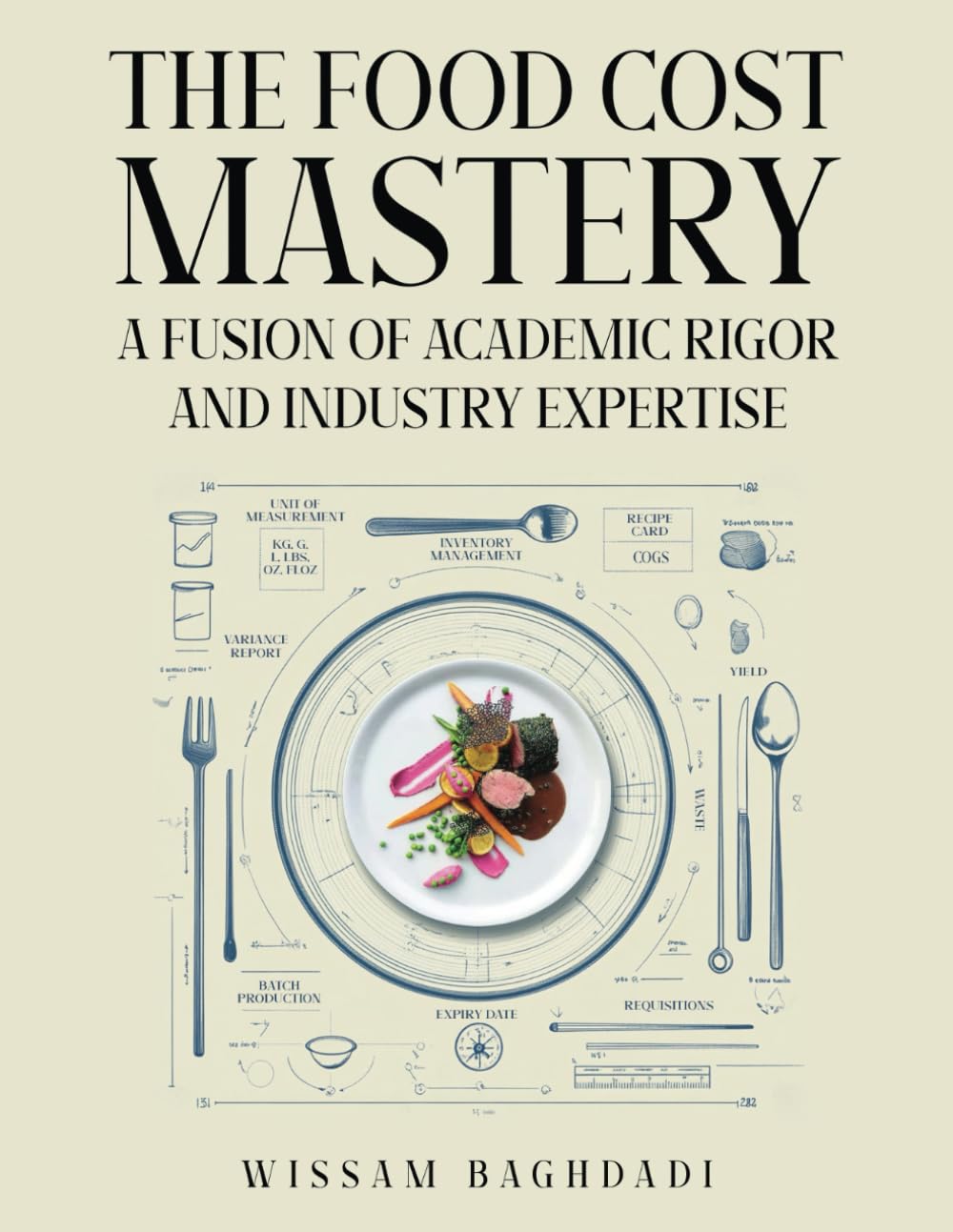
    A strong restaurant brand is the foundation of customer loyalty and success. It attracts customers, creates a memorable dining experience, and sets your establishment apart from the competition. However, as The Food Cost Mastery: Fusion of Academic Rigor and Industry Expertise by Wissam Baghdadi points out, building a strong brand should not come at the expense of operational efficiency and cost control. In fact, aligning branding strategies with cost-conscious operations is key to ensuring long-term profitability. Here’s how to build a strong restaurant brand that attracts customers while keeping costs manageable.

    1. Define Your Brand Identity

    Before attracting customers, you need to define what your brand stands for. What makes your restaurant unique? Is it your commitment to sustainability, the quality of your ingredients, or your exceptional service? Baghdadi emphasizes the importance of crafting a clear and authentic brand identity that resonates with your target audience. Whether you’re positioning your restaurant as a casual dining spot or a fine-dining experience, your brand should consistently reflect these values.

    Practical Solutions:

    • Brand Consistency: Ensure that every touchpoint—from your restaurant’s interior design to your website, social media, and marketing materials—reflects your brand identity. Consistency builds recognition and trust.
    • Customer Experience: The way you treat customers is an integral part of your brand. Staff should embody the values of the restaurant and provide a welcoming, positive experience.

    2. Embrace Local and Sustainable Practices

    As consumers become more eco-conscious, sustainability is a growing trend in the restaurant industry. Baghdadi highlights that aligning your brand with sustainability not only builds trust with customers but can also be cost-effective in the long term. By sourcing ingredients locally, reducing waste, and using energy-efficient appliances, your restaurant can attract environmentally conscious diners while keeping operational costs low.

    Practical Solutions:

    • Locally Sourced Ingredients: Partner with local farmers and suppliers to provide fresh, seasonal ingredients. This can reduce food costs, minimize transportation expenses, and appeal to customers who value sustainability.
    • Energy-Efficient Equipment: Invest in energy-efficient appliances and implement water-saving measures to reduce utility costs and demonstrate your commitment to sustainability.

    3. Leverage Social Media and Marketing

    Effective marketing is crucial to building brand recognition. Social media platforms like Instagram, Facebook, and TikTok are powerful tools for showcasing your restaurant’s atmosphere, food, and unique selling points. However, as Baghdadi notes, marketing efforts must be cost-effective to avoid overspending.

    Practical Solutions:

    • User-Generated Content: Encourage customers to share their experiences on social media. This can be incentivized through loyalty programs, contests, or hashtag campaigns. User-generated content is often more authentic and cost-effective than traditional advertising.
    • Targeted Advertising: Use online advertising platforms to run targeted campaigns aimed at your ideal customer base. This allows you to reach new customers without overspending on broad-reaching ads.

    4. Create a Memorable Customer Experience

    Your brand is more than just your logo or your menu—it’s the entire experience you offer to customers. Baghdadi emphasizes that a memorable experience leads to repeat customers and strong word-of-mouth marketing. From the ambiance to the service and even the food presentation, every detail contributes to your brand’s perception.

    Practical Solutions:

    • Loyalty Programs: Reward returning customers with discounts, exclusive offers, or personalized services. Loyalty programs create a sense of belonging and strengthen brand loyalty.
    • Consistency in Service: Ensure that every customer receives consistent, high-quality service. Training staff to uphold your restaurant’s standards ensures that the customer experience is always aligned with your brand promise.

    5. Balance Brand and Cost Control

    Building a strong brand requires an investment in quality and customer experience. However, it’s important to balance these efforts with cost control measures to ensure profitability. Baghdadi suggests using data-driven decisions, such as analyzing menu item profitability and customer preferences, to align branding efforts with cost-conscious operations.

    Practical Solutions:

    • Menu Optimization: Regularly review your menu to ensure it’s aligned with customer preferences while also being profitable. Remove low-performing items that contribute to food waste and inventory costs.
    • Monitor Expenses: Track marketing spend and adjust strategies to ensure that advertising and promotions are cost-effective.

    Building a strong restaurant brand requires a mix of creativity, consistency, and strategic cost management. By defining your brand identity, embracing sustainable practices, leveraging social media, creating memorable experiences, and balancing branding with cost control, you can attract customers and build loyalty while keeping operational costs in check. As The Food Cost Mastery by Wissam Baghdadi highlights, a strong brand is an ongoing investment that, when done right, pays off through increased demand and long-term profitability.

  • Streamlining Restaurant Operations: How to Cut Down on Operational Inefficiencies

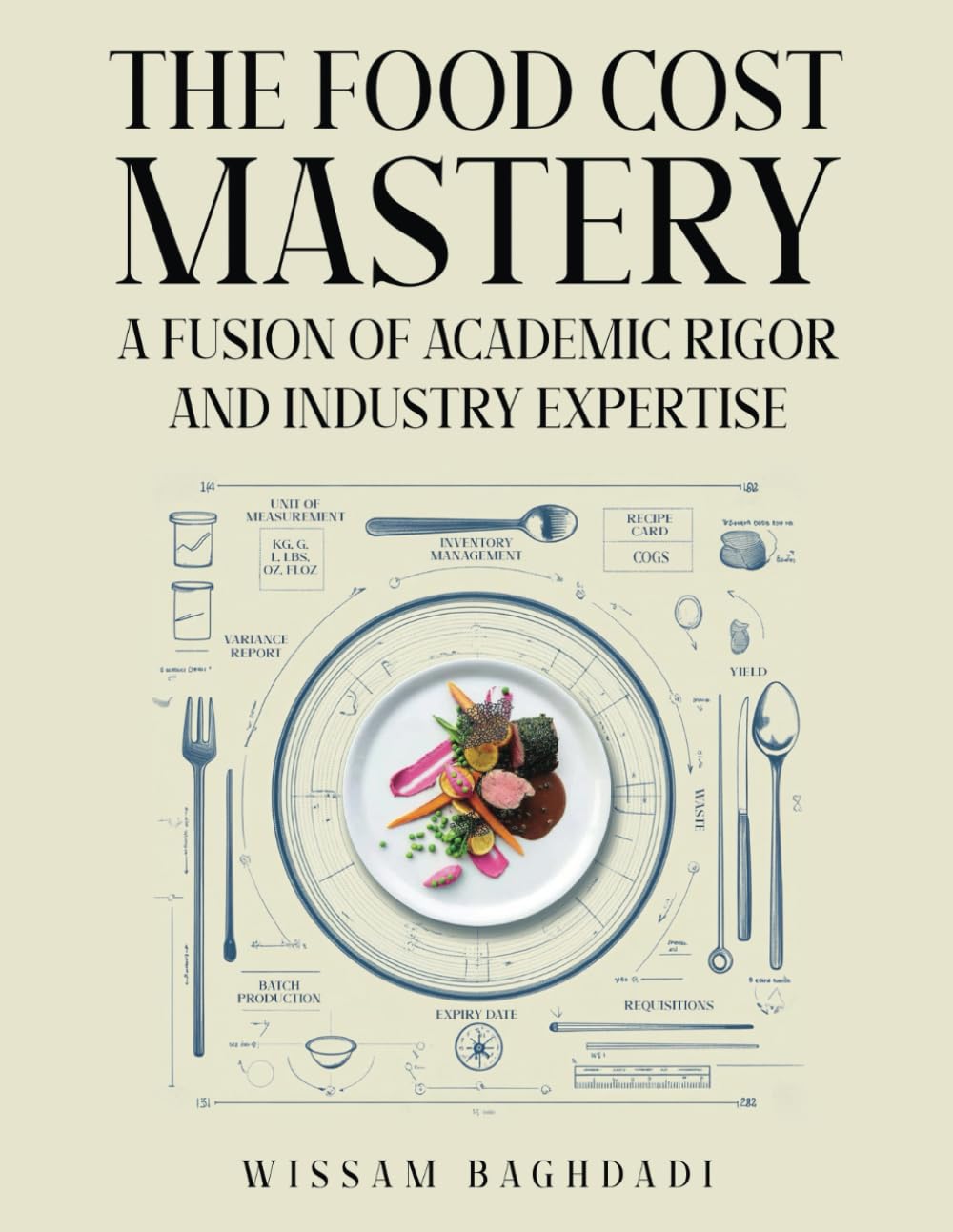
    In the competitive world of the restaurant industry, operational inefficiencies can be a silent profit killer. From slow service to redundant tasks, every delay and unnecessary step contributes to rising costs and customer dissatisfaction. As emphasized in The Food Cost Mastery: Fusion of Academic Rigor and Industry Expertise by Wissam Baghdadi, improving restaurant operations is essential not only to enhance customer experience but also to control costs and increase profitability. Here are some common inefficiencies in restaurant operations and practical solutions to streamline workflows.

    1. Slow Service Times

    One of the most noticeable inefficiencies in any restaurant is slow service. Whether it’s due to understaffing, inefficient kitchen workflows, or poor coordination between the front and back of house, delays can lead to customer frustration, reduced turnover, and lower satisfaction scores. Baghdadi stresses that streamlining communication between the front and back of house is crucial to preventing delays.

    Practical Solutions:

    • Staff Training: Regular training on how to efficiently communicate orders and manage time is vital for both servers and kitchen staff.
    • Technology Integration: Implementing point-of-sale (POS) systems that allow for faster order processing can reduce order wait times.
    • Standardized Procedures: Creating clear guidelines for order taking, food prep, and delivery ensures that staff knows exactly what is expected and how to execute their tasks quickly.

    2. Redundant Tasks

    Redundant tasks—such as duplicating orders, repeating steps, or performing the same tasks multiple times—can significantly slow down restaurant operations and waste valuable labor. Baghdadi highlights that this inefficiency often stems from poor processes or lack of organization.

    Practical Solutions:

    • Menu Optimization: Simplifying the menu and limiting the number of items with similar ingredients can reduce the complexity of preparation. This not only cuts down on prep time but also minimizes ingredient waste.
    • Task Delegation: Ensuring that staff members focus on specific roles can prevent overlaps in responsibilities. For example, kitchen staff should concentrate on food preparation, while servers handle order taking and customer interaction.
    • Automated Systems: Implementing automated systems for inventory management and scheduling can save time by removing manual processes that may be prone to errors and redundancies.

    3. Poor Inventory Management

    Ineffective inventory management can lead to both excess waste and stockouts. Baghdadi stresses that maintaining optimal inventory levels is essential for balancing cost control and customer satisfaction. Over-ordering leads to wasted food, while under-ordering may cause missed sales and dissatisfied customers.

    Practical Solutions:

    • Inventory Tracking Software: Using advanced inventory management software can help track inventory in real-time, reducing the chances of overstocking or running out of critical ingredients.
    • Forecasting Demand: Analyzing past sales data and trends can help predict future demand, ensuring that inventory is ordered accordingly without overburdening the storage.

    4. Inefficient Kitchen Workflow

    A disorganized kitchen can hinder the speed and quality of food preparation. Whether it’s misplaced tools, inefficient ingredient storage, or poor organization of the cooking stations, these inefficiencies lead to delays, errors, and food waste.

    Practical Solutions:

    • Kitchen Layout Optimization: Streamlining the kitchen layout by ensuring that equipment and ingredients are placed logically can improve workflow. Items used most frequently should be closest to the workstations.
    • Batch Cooking: Preparing ingredients in batches during slower periods (such as chopping vegetables, marinating meats, etc.) can save valuable time during peak hours.
    • Clean As You Go: Encouraging kitchen staff to clean and organize their workstations continuously can prevent clutter and reduce the time spent searching for tools or ingredients.

    5. Ineffective Use of Technology

    Despite the abundance of available technology, many restaurants fail to leverage it fully to optimize operations. This inefficiency can lead to slower service, miscommunication, and human error.

    Practical Solutions:

    • POS System Integration: A POS system that integrates directly with the kitchen and bar staff can speed up order processing and reduce errors.
    • Mobile Ordering and Payment: Allowing customers to place orders via mobile apps or tableside devices can reduce wait times and eliminate ordering errors, thus improving service efficiency.

    Streamlining restaurant operations requires a proactive approach to identifying inefficiencies and implementing practical solutions. By optimizing service times, eliminating redundant tasks, managing inventory more effectively, improving kitchen workflows, and integrating technology, restaurants can significantly reduce operational costs while enhancing the customer experience. As The Food Cost Mastery by Wissam Baghdadi illustrates, taking these steps not only drives profitability but also ensures long-term success in a competitive industry.

  • The Role of Customer Feedback in Cost Control: How Reviews Can Inform Menu and Operational Changes

    Customer feedback is an invaluable resource for restaurants seeking to improve operational efficiency and reduce costs. In The Food Cost Mastery: Fusion of Academic Rigor and Industry Expertise by Wissam Baghdadi, the importance of leveraging customer insights to refine menu offerings and streamline operations is emphasized. By paying close attention to customer reviews and feedback, restaurants can make data-driven decisions that not only enhance service quality but also contribute to better cost control.

    1. Identifying Popular and Underperforming Dishes

    Customer reviews provide direct insights into which menu items are resonating with customers and which are falling flat. By analyzing customer feedback, restaurants can identify popular dishes that are generating consistent sales and underperforming items that may be costing more than they are worth. Baghdadi suggests regularly reviewing customer feedback, both online and in-person, to pinpoint menu items that customers are frequently ordering and those they are avoiding.

    For instance, if customers consistently praise a particular pasta dish while leaving others with low ratings, it may be a good idea to consider removing or reworking underperforming items. This approach reduces waste, as restaurants can focus on dishes that are in demand, cutting down on the need for excess ingredients.

    2. Adjusting Portion Sizes

    One of the most direct ways to control food costs is by adjusting portion sizes. Customer feedback can inform whether portions are too large or too small. Some diners may feel that they didn’t get enough food, while others may leave half their meal behind. Monitoring this feedback can guide portion size adjustments, which can help reduce food waste and improve customer satisfaction.

    Baghdadi advocates for fine-tuning portion sizes based on customer input to ensure that portions are both cost-effective and aligned with customer expectations. Reducing oversized portions can decrease waste, while slightly increasing portions on highly praised dishes can improve customer satisfaction and drive repeat business.

    3. Optimizing Menu Offerings

    Customer feedback can also reveal which ingredients or flavors are most popular. By identifying customer preferences and dislikes, restaurants can make informed decisions about menu adjustments. For example, if several reviews mention that certain ingredients, like truffle oil or exotic spices, are not well-received, it may be time to reconsider their place on the menu.

    Baghdadi highlights that understanding customer preferences can help refine the menu to focus on high-demand items that are both cost-effective and well-received by diners. This helps restaurants reduce waste from over-ordered items and ensures that the menu is optimized for both profitability and customer satisfaction.

    4. Improving Operational Efficiency

    Feedback isn’t just valuable for menu adjustments—it can also provide insights into restaurant operations. If customers consistently complain about long wait times or poor service, it may indicate that operational inefficiencies are affecting the overall dining experience. Addressing these issues, whether by improving staffing levels, optimizing kitchen workflows, or refining reservation systems, can improve customer satisfaction and reduce operational costs.

    Baghdadi discusses the importance of operational efficiency as a key to cost control. By listening to feedback and making the necessary adjustments to improve operations, restaurants can reduce waste, enhance service, and increase profitability.

    5. Enhancing Customer Loyalty

    Incorporating customer feedback into business practices can also improve customer loyalty. When customers see that their opinions are valued and acted upon, they are more likely to return and recommend the restaurant to others. Repeat customers are more likely to try new menu items, and their continued patronage provides a steady revenue stream, which can help offset operational costs.

    Customer feedback is an essential tool for cost control in restaurants. By analyzing reviews, adjusting menu offerings, optimizing portion sizes, improving operational efficiency, and fostering customer loyalty, restaurants can reduce waste and improve cost-effectiveness. The Food Cost Mastery underscores the importance of using feedback to make data-driven decisions that enhance profitability. Ultimately, leveraging customer insights allows restaurants to fine-tune their operations and ensure they meet both customer expectations and financial goals.

  • Cash Flow Management for Restaurants: How to Stay Liquid During the Lean Months

    Managing cash flow is crucial for the long-term success of any restaurant, especially when it comes to navigating lean periods, such as slow seasons or unpredictable economic conditions. In The Food Cost Mastery: Fusion of Academic Rigor and Industry Expertise by Wissam Baghdadi, the importance of cash flow management in maintaining financial stability is emphasized. By adopting effective strategies, restaurant owners and managers can ensure they remain financially secure, even during challenging times.

    1. Plan for Seasonal Fluctuations

    One of the first steps in managing cash flow is understanding the seasonal fluctuations that impact your business. Whether it’s a drop in customer traffic during the summer months or the post-holiday lull, recognizing these patterns allows you to plan ahead. Baghdadi suggests that developing a financial forecast with an understanding of peak and off-peak seasons is essential for setting realistic cash flow expectations. By predicting lean months, you can adjust your staffing, menu offerings, and inventory accordingly, ensuring that you are prepared financially.

    2. Build a Cash Reserve for Lean Times

    A key strategy for staying liquid during slow months is building a cash reserve during peak periods. By allocating a portion of your profits in busier months, you can create a financial cushion that provides stability during the slower periods. Baghdadi discusses how restaurants can benefit from maintaining at least three months’ worth of operating expenses in reserve. This reserve can help cover fixed costs, such as rent, utilities, and loan repayments, without relying solely on current sales.

    3. Optimize Inventory and Reduce Waste

    Inventory management plays a significant role in cash flow stability. Over-ordering supplies during slow seasons can lead to excess inventory that ties up cash. In The Food Cost Mastery, Baghdadi highlights the importance of just-in-time inventory systems and maintaining lean inventory to ensure cash flow remains steady. Regularly reviewing inventory levels and using cross-utilization of ingredients across multiple dishes can help minimize waste, reduce unnecessary purchasing, and keep your cash liquid. Additionally, focusing on perishable items that are versatile and used in a variety of dishes can help avoid overstocking.

    4. Implement Cost Control Measures

    During lean months, cutting unnecessary expenses can make a big difference in maintaining positive cash flow. Baghdadi advises conducting regular cost audits to identify areas where you can reduce spending without sacrificing quality. Whether it’s renegotiating supplier contracts, reducing energy consumption, or adjusting marketing expenditures, trimming non-essential costs can free up cash for other critical areas of operation.

    Moreover, improving your food cost ratio by controlling portion sizes and reducing waste will help preserve cash flow. Effective food cost management, including smart menu planning and forecasting, will help minimize wastage, which is vital in lean months when every dollar counts.

    5. Increase Revenue Through Targeted Marketing

    While managing cash flow is critical, increasing revenue during slow periods is equally important. Baghdadi suggests leveraging targeted marketing campaigns to boost sales during off-peak times. Offering promotions such as “happy hours,” themed nights, or discounted menu items can help attract more customers. Building a loyal customer base with special offers and loyalty programs also helps maintain consistent revenue, even during the slower seasons.

    Additionally, diversifying revenue streams, such as introducing delivery services, takeout specials, or catering options, can help generate cash flow during traditionally slower periods.

    6. Review Payment Terms with Suppliers and Vendors

    During lean months, it’s essential to review and possibly renegotiate payment terms with suppliers and vendors. Baghdadi notes that extending payment terms or deferring payments until cash flow improves can ease financial pressure. Establishing good relationships with suppliers and discussing flexible payment options can help you avoid cash shortages while maintaining inventory and product quality. Effective cash flow management is key to navigating the challenges that come with seasonal fluctuations in the restaurant industry. By planning ahead, building cash reserves, optimizing inventory, cutting unnecessary expenses, and increasing revenue through strategic marketing, restaurant owners can remain financially stable during lean periods. As The Food Cost Mastery emphasizes, the ability to maintain liquidity is not only a survival tactic but a pathway to long-term success in the competitive restaurant industry.

  • Sustainability in the Kitchen: How Green Practices Can Save Money and Improve Branding

    Sustainability in the restaurant industry is no longer just a buzzword; it’s a necessity. As consumer demand for eco-conscious businesses grows, restaurants are increasingly looking for ways to integrate sustainable practices into their operations. In The Food Cost Mastery: Fusion of Academic Rigor and Industry Expertise by Wissam Baghdadi, the importance of sustainability in the kitchen is emphasized, highlighting how green practices not only help reduce costs but can also improve a restaurant’s brand image.

    1. Energy-Efficient Appliances: Reducing Overhead Costs

    One of the most impactful ways to improve sustainability in the kitchen is by investing in energy-efficient appliances. These appliances use less power to perform the same tasks, lowering your electricity bills and reducing your restaurant’s carbon footprint. For example, replacing old ovens and refrigerators with Energy Star-rated equipment can significantly lower energy consumption.

    Baghdadi highlights the connection between energy management and food cost control. By investing in energy-efficient equipment, you not only save money on utilities but also align your restaurant with environmentally conscious consumers who appreciate businesses that prioritize sustainability.

    2. Water-Saving Measures: Reducing Waste and Costs

    Water conservation is a key element of sustainable kitchen practices. Implementing simple water-saving measures, such as installing low-flow faucets and dishwashers, can drastically reduce water consumption, which translates to lower water bills. In a restaurant, where water use is high due to dishwashing and food prep, these small changes can lead to substantial savings.

    In The Food Cost Mastery, Baghdadi explains that reducing resource waste, such as water, helps drive operational efficiency. Restaurants that prioritize water conservation are not only reducing costs but also improving their sustainability profile, which can be a powerful selling point for customers.

    3. Sourcing Locally: Supporting the Environment and Your Community

    Local sourcing is another key aspect of sustainability in the kitchen. By purchasing fresh, locally grown ingredients, restaurants can reduce the environmental impact of long-distance food transportation. Local sourcing supports regional farmers and producers, helping the local economy while providing your restaurant with fresher ingredients.

    In The Food Cost Mastery, Baghdadi emphasizes how local sourcing can be both a cost-effective and eco-friendly strategy. Not only does it reduce transportation costs, but it also allows restaurants to build strong relationships with local suppliers and offer fresh, high-quality menu items that resonate with consumers who value sustainability.

    4. Waste Reduction: Composting and Recycling

    Reducing waste is an essential practice for sustainable kitchens. Composting food scraps, recycling packaging materials, and reducing single-use plastics are effective ways to minimize waste. Many restaurants have successfully implemented waste management systems that divert waste from landfills and turn food scraps into compost for local farms or gardens.

    As Baghdadi notes, minimizing waste not only contributes to environmental sustainability but also saves money. Less waste means fewer resources being spent on excess inventory, and efficient use of ingredients can help maximize profitability.

    5. Marketing Your Sustainability Efforts

    Incorporating green practices into your kitchen operations also offers an opportunity to market your restaurant as an eco-conscious brand. Consumers are increasingly seeking out businesses that align with their values, and restaurants that prioritize sustainability can build a loyal customer base. Promoting your green initiatives through social media, signage, and your menu can enhance your brand image and attract customers who care about the environment. Sustainability in the kitchen is not just about reducing environmental impact; it’s also a smart financial strategy. As discussed in The Food Cost Mastery, green practices such as using energy-efficient appliances, conserving water, sourcing locally, and reducing waste can lead to significant cost savings. These practices not only improve your bottom line but also enhance your restaurant’s reputation as a socially responsible business, ultimately contributing to both profitability and customer loyalty.

  • Cost Control through Cross-Utilizing Ingredients: Maximizing Your Menu with Fewer Ingredients

    When managing a restaurant, controlling food costs while maintaining a diverse menu can be a balancing act. One effective strategy to reduce waste, improve inventory turnover, and cut food costs is by cross-utilizing ingredients across multiple dishes. This approach, discussed in The Food Cost Mastery: Fusion of Academic Rigor and Industry Expertise by Wissam Baghdadi, helps streamline operations without sacrificing flavor or variety. By using fewer ingredients in creative ways, restaurants can maximize their menu offerings and reduce unnecessary expenditures.

    1. The Benefits of Cross-Utilizing Ingredients

    One of the main advantages of cross-utilizing ingredients is that it allows restaurants to reduce waste. Instead of stocking a variety of rarely used items, you can buy fewer ingredients that serve multiple purposes across the menu. For example, a versatile ingredient like chicken can be used in a variety of dishes, from sandwiches and salads to pasta and soups. By using the same chicken in different ways, you reduce the chance of spoilage and increase the efficiency of your inventory.

    In The Food Cost Mastery, Baghdadi emphasizes the importance of maximizing inventory value through strategic ingredient use. By planning your menu around ingredients that can be used in multiple dishes, you reduce the risk of excess inventory and avoid throwing away ingredients that are not used before their expiration date.

    2. Improving Inventory Turnover

    Cross-utilization of ingredients also helps improve inventory turnover. With fewer ingredients to manage, you can more effectively track stock levels and reduce the chance of overstocking or understocking. When ingredients are used across different menu items, inventory becomes more fluid, and you can maintain a steady flow of products. For example, fresh herbs like cilantro can be used in multiple dishes, from salsas to soups to garnishes, making them a valuable ingredient that contributes to several menu items.

    Baghdadi’s approach to food cost mastery stresses the need for a dynamic inventory system. Regular reviews and strategic ingredient planning will help your restaurant reduce costs and make better use of the products you have on hand. This, in turn, ensures your menu is profitable while maintaining variety and customer satisfaction.

    3. Cutting Food Costs without Losing Variety

    Cross-utilizing ingredients doesn’t mean cutting back on menu variety—it’s about being smarter with the ingredients you already have. For instance, instead of offering a separate sauce for every dish, consider creating one base sauce that can be used across multiple dishes with slight variations in seasoning or presentation. A tomato-based sauce, for example, can serve as the foundation for a marinara for pasta, a pizza topping, or a dip for appetizers.

    Baghdadi advocates for menu engineering that uses fewer ingredients to achieve maximum flavor and variety. This concept helps restaurants maintain menu appeal without inflating food costs. It also encourages culinary creativity, as chefs find innovative ways to present dishes with shared ingredients in diverse forms.

    4. Optimizing Preparation Time and Labor Costs

    Cross-utilizing ingredients can also streamline kitchen operations, reducing preparation time and labor costs. By using a limited set of ingredients in different dishes, prep work becomes more efficient, allowing kitchen staff to focus on other critical tasks. For example, a chef could prepare large batches of a base ingredient like roasted vegetables, which can then be used across various dishes—such as soups, salads, or grain bowls—saving time and labor.

    Baghdadi emphasizes operational efficiency as a crucial element of cost control in The Food Cost Mastery. Utilizing ingredients efficiently not only reduces food costs but also optimizes labor by simplifying preparation processes.

    5. Enhancing Customer Experience

    By cross-utilizing ingredients, you can offer your customers a variety of dishes that feel fresh and exciting, even though they are made from fewer ingredients. This strategy helps restaurants offer diverse menu options while staying on budget. Customers often appreciate the variety, and it’s an excellent opportunity to promote creative, seasonal dishes that make the most of available ingredients. Cross-utilizing ingredients is an effective strategy for reducing waste, improving inventory turnover, and cutting food costs without sacrificing menu variety. As explored in The Food Cost Mastery, this approach not only maximizes ingredient use but also enhances operational efficiency and customer satisfaction. With thoughtful menu planning and strategic ingredient use, you can run a cost-effective kitchen while offering a diverse and exciting dining experience.

  • Energy and Utility Management: How Small Changes Can Lead to Big Savings

    Running a restaurant involves various operational costs, and one of the biggest overhead expenses is utility bills—especially for energy usage. However, the good news is that small, strategic changes in energy and utility management can lead to significant savings, which can, in turn, improve your restaurant’s profitability. In The Food Cost Mastery: Fusion of Academic Rigor and Industry Expertise by Wissam Baghdadi, there’s a focus on reducing operational costs, and energy management plays a pivotal role. Here’s how you can implement energy-saving practices in your restaurant to reduce utility costs and boost your bottom line.

    1. Invest in Energy-Efficient Appliances

    One of the most impactful ways to reduce energy consumption is to invest in energy-efficient appliances. From ovens and refrigerators to dishwashers and HVAC systems, modern energy-efficient equipment consumes significantly less energy than older models.

    Baghdadi emphasizes the importance of evaluating equipment when striving to reduce costs. Though the upfront investment in energy-efficient appliances can be higher, the long-term savings on utility bills often outweigh the initial cost. Additionally, many energy-efficient appliances are designed to operate at optimal capacity, which can improve overall kitchen efficiency.

    2. Optimize Lighting and Temperature Control

    Lighting and temperature control are two areas where restaurants often waste energy. Switching to LED lights, which consume less power and last longer, can drastically reduce lighting costs. Moreover, ensuring that lights are turned off during off-peak hours can further minimize energy usage.

    Similarly, investing in a programmable thermostat or smart heating and cooling systems can significantly reduce HVAC energy consumption. Baghdadi recommends keeping your restaurant’s temperature at an optimal level—cooler in the summer and warmer in the winter—without overexerting your HVAC system. Proper insulation and sealing doors and windows can help maintain the desired temperature, reducing the need for constant heating or cooling.

    3. Adopt Sustainable Practices in Daily Operations

    Implementing sustainable practices can also lead to significant savings in utilities. Encourage kitchen staff to turn off appliances when not in use, such as grills, fryers, or ovens. Implementing a daily checklist that ensures equipment is properly switched off can prevent energy waste during downtime.

    Water conservation is another essential area. Installing low-flow faucets and water-saving dishwashers can lower water consumption, which often results in reduced water heating costs. Additionally, monitoring water usage during peak times can help you identify areas where water use can be minimized.

    4. Maintain Equipment and Appliances Regularly

    Proper maintenance of kitchen equipment is crucial for ensuring energy efficiency. Over time, appliances can lose their efficiency due to dirt, wear, or improper usage. Regular cleaning and maintenance of your equipment—such as cleaning refrigerator coils, checking oven seals, and servicing your HVAC system—ensure that everything runs efficiently.

    Baghdadi stresses that preventive maintenance is key. By proactively maintaining your equipment, you prevent costly breakdowns and ensure that all appliances are working at their highest efficiency.

    5. Employee Training and Awareness

    Training staff to understand the importance of energy conservation can help reinforce energy-saving practices. Encouraging employees to turn off unused equipment, use energy-efficient cooking methods, and monitor water and energy usage can create a culture of sustainability within your restaurant.

    By implementing small, thoughtful changes to energy management, restaurants can reduce their utility bills and improve profitability. Investing in energy-efficient appliances, optimizing lighting and temperature control, adopting sustainable practices, maintaining equipment, and training employees are all effective ways to reduce costs. As The Food Cost Mastery by Wissam Baghdadi suggests, operational efficiency is vital for boosting profits. Small changes in energy use can lead to big savings, making energy management an essential aspect of your restaurant’s long-term success.

  • Financial Health Check: Why Regular Financial Analysis is Crucial for Restaurant Success

    In the competitive restaurant industry, staying on top of your financial performance is essential for long-term success. Regular financial analysis is one of the most effective ways to ensure your restaurant is not only surviving but thriving. In The Food Cost Mastery: Fusion of Academic Rigor and Industry Expertise by Wissam Baghdadi, the importance of maintaining a strong financial foundation through consistent analysis is a recurring theme. Regular financial reviews, such as monthly Profit and Loss (P&L) statements, provide restaurant owners and managers with a clear understanding of where their money is coming from and where it’s going. Here’s why conducting a financial health check is crucial for your restaurant’s success.

    1. Tracking Revenue and Identifying Trends

    One of the primary purposes of conducting regular financial analysis is to monitor revenue. By reviewing your P&L statement every month, you can easily track how much money your restaurant is bringing in from various revenue streams—such as dine-in, takeout, catering, and events. Regular analysis of this data helps identify trends in customer demand. Are weekends busier than weekdays? Are there particular months where business dips?

    As Baghdadi points out, revenue analysis allows you to make data-driven decisions about staffing, menu pricing, and promotional efforts. By staying ahead of trends, you can proactively adjust operations to capitalize on peak times or address slow periods.

    2. Monitoring Expenses to Control Costs

    Expenses are a significant part of any restaurant’s budget, and regular financial analysis ensures you’re keeping them under control. A detailed P&L statement helps you break down costs like food, labor, utilities, and rent. Without constant monitoring, small, unnoticed increases in these areas can add up to big losses over time.

    For instance, food costs often fluctuate depending on seasonal changes or supplier pricing. Baghdadi emphasizes the importance of understanding these fluctuations and adapting purchasing habits accordingly. By keeping track of how much you’re spending on ingredients and other supplies, you can make smarter purchasing decisions to avoid wastage and excess inventory.

    3. Assessing Profitability

    Perhaps the most important element of a monthly financial review is assessing profitability. Profit margins in the restaurant business can be thin, so it’s essential to know how much of your revenue is actually translating into profit. Are your margins on target? If not, what’s causing the discrepancy?

    Baghdadi highlights that restaurants need to focus not just on increasing revenue but on maximizing profitability. Regular financial analysis allows restaurant managers to identify areas where profitability can be improved—whether through reducing waste, optimizing labor, or adjusting pricing strategies.

    4. Making Informed Decisions for Growth

    Frequent financial reviews give you the data needed to make informed decisions. For example, if you notice a decline in revenue or rising expenses, you can take immediate action. Maybe it’s time to reassess your menu, renegotiate supplier contracts, or optimize your labor costs.

    In The Food Cost Mastery, Baghdadi underscores the importance of financial discipline. Keeping an eye on your restaurant’s financial performance allows you to spot problems early and address them before they escalate.

    5. Strategic Planning and Goal Setting

    Lastly, regular financial reviews are crucial for strategic planning. They give you a clear picture of your restaurant’s financial health and provide insights into areas for improvement. By reviewing financial statements monthly, you can set realistic goals and measure progress toward them. This can range from hitting a specific profit margin to reducing food waste by a certain percentage.

    In summary, conducting regular financial analysis is essential for ensuring the long-term success of your restaurant. It helps you track revenue, control costs, assess profitability, make informed decisions, and plan for future growth. As Baghdadi emphasizes in The Food Cost Mastery, a disciplined approach to financial analysis is key to unlocking sustained profitability and success in the restaurant industry.